 ×
×

As the automotive detailing industry continues to mature globally, the competitive focus is shifting from individual craftsmanship toward large-scale operational consistency. For multi-branch detailing chains, success is no longer defined only by ser...
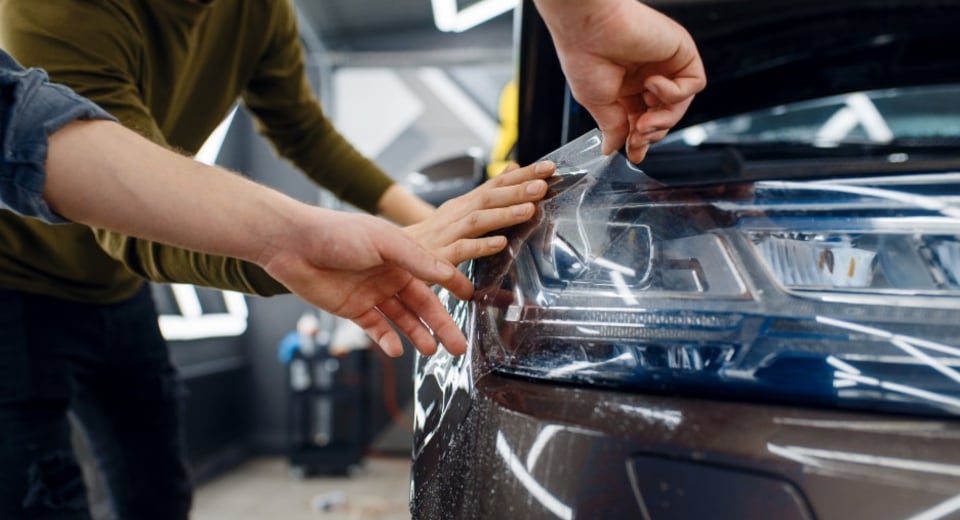
As the automotive detailing industry continues to mature globally, the competitive focus is shifting from individual craftsmanship toward large-scale operational consistency. For multi-branch detailing chains, success is no longer defined only by service quality at a single location, but by the ability to replicate the same installation standard across all branches.
In this case, a fast-growing automotive detailing chain in South America was experiencing significant operational pressure as it rapidly expanded into multiple cities. While demand for automotive protection services continued to increase, internal inconsistencies in execution began to limit the company’s scalability.
The management team recognized that without a unified product system, standardized installation process, and stable supply chain structure, further expansion would lead to even greater inefficiencies. To solve this, the company partnered with Mastpro to implement a structured operational optimization program focused on product performance, installation standardization, and supply chain coordination.
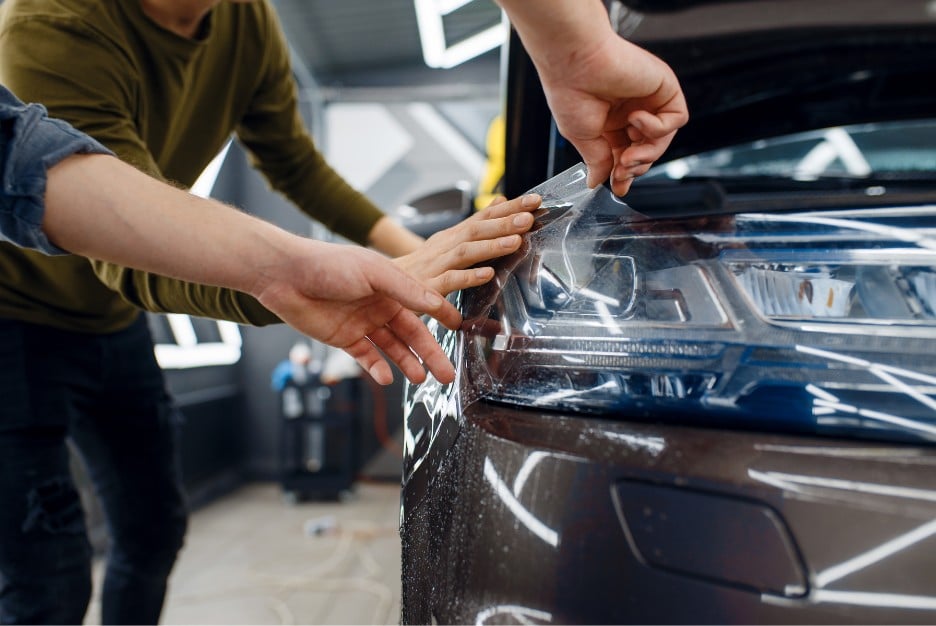
At the time of engagement, the company had already established multiple service centers across different regions. However, each branch operated with a relatively independent workflow, which created fragmentation in daily operations.
Beyond general product issues, the deeper problem was a lack of systemic coordination between branches.
Even when using similar materials, installation results varied significantly between branches due to differences in technician experience, environmental conditions, and handling practices. This led to uneven customer experiences and made it difficult for the brand to maintain a unified service identity.
Many installation results depended heavily on the skill level of individual technicians rather than standardized procedures. This created operational risk, as performance would fluctuate whenever experienced installers were unavailable.
Without standardized cutting, positioning, and application guidelines, branches often experienced excessive material waste. In some cases, the same vehicle model required significantly different material consumption depending on the installer.
Frequent delays in material replenishment caused scheduling conflicts across branches. Some locations experienced overstock while others faced shortages, resulting in inefficient resource allocation.
There was no unified system to evaluate installation quality across branches. As a result, management had limited visibility into which locations required improvement or additional training.
These issues created a structural barrier to scaling, even though market demand was strong.
Unlike a conventional supplier model, Mastpro approached this project as a multi-site operational system upgrade, focusing on aligning product performance with real-world workflow consistency.
Mastpro refined TPU film characteristics specifically for multi-technician environments:
These adjustments ensured that even technicians with different experience levels could achieve more uniform results.
To reduce variability between locations, Mastpro introduced a structured standardization system designed for chain operations:
This helped transform installation from an experience-based process into a repeatable operational system.
Instead of one-time training, Mastpro established a continuous technical support structure:
This ensured continuous improvement rather than one-off correction.
Mastpro also optimized the supply structure to support multi-location operations:
This allowed the company to stabilize operations across all service centers.
Within six months of implementation, the detailing chain achieved measurable improvements in operational stability and efficiency:
Beyond operational efficiency, one of the most important improvements was the establishment of a repeatable service system, which allowed the company to expand into new cities without increasing operational complexity at the same rate.
As internal processes stabilized, the company also began integrating Mastpro systems into additional product categories and explored the possibility of developing regional multi-country operational networks.
This case demonstrates that large-scale automotive detailing chains require more than high-performance materials—they require structured operational systems that ensure consistency across all locations.
By combining process-adapted TPU film technology, cross-branch standardization frameworks, and coordinated supply chain planning, Mastpro helped the client transition from a fragmented multi-location operation into a more unified and scalable service system.
This approach significantly reduced operational variability while enabling sustainable expansion, making it possible for the company to grow without sacrificing service quality or operational control.
Copyright © 2026 SHANXIDINGXINFILMSTECHNOLOGYSTOCKCO.,LTD All rights reserved. — Privacy Policy

 EN
EN