
 EN




Can self healing PPF remove scratches automatically?
Self healing PPF represents a significant advancement in auto paint defense technology. Vehicle owners often wonder whether this innovative protective film coating can automatically eliminate scratches and swirl marks without manual intervention. The answer lies in understanding how protective film technology has evolved to incorporate thermoplastic urethane materials that respond to environmental conditions and restore themselves over time.
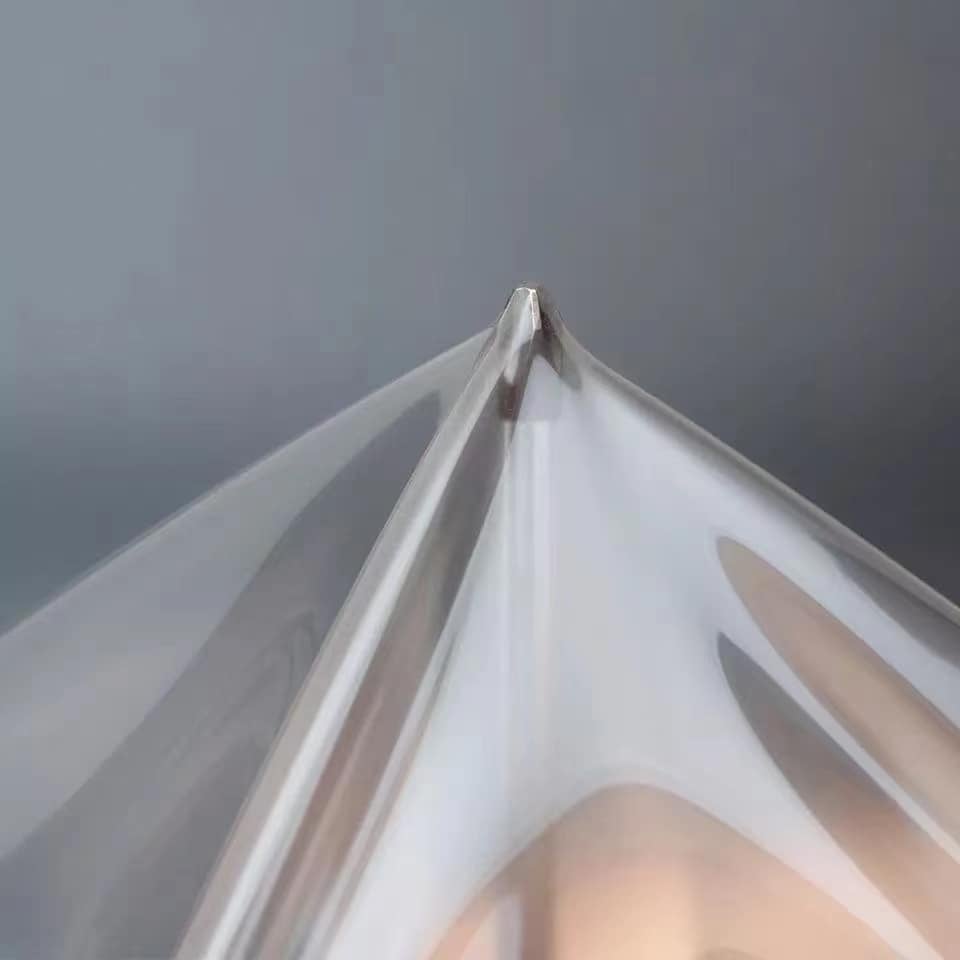
The mechanism behind self healing ppf depends on temperature sensitivity and molecular flexibility. Unlike traditional paint protection coating solutions that remain static, this technology uses specially formulated TPU materials that soften when exposed to heat—whether from direct sunlight or warm water. This property allows microscopic scratches to gradually disappear as the material relaxes and returns to its original smooth surface.
Understanding Self Healing PPF Technology
How Protective Film Technology Works
Protective film technology has transformed vehicle surface protection significantly over the past decade. Traditional clear coats on automotive paint are susceptible to damage from road debris, bird droppings, tree sap, and minor impacts. A paint protection coating layer positioned above the factory clear coat absorbs these impacts instead, preserving the underlying paint. Self healing PPF takes this concept further by incorporating materials that respond to heat and self-repair minor damage automatically.
The core of protective film technology relies on thermoplastic urethane TPU compounds that possess memory properties. When heated to approximately 50 to 80 degrees Celsius, these materials become slightly pliable and can flow back into their original shape. This means shallow scratches, swirl marks, and minor abrasions can disappear without any intervention from the vehicle owner. The paint protection coating film essentially restores itself through this thermal responsive mechanism.
The Auto Paint Defense Advantage
Auto paint defense requires multiple layers of protection working together seamlessly. Self healing PPF provides the first line of defense against environmental contaminants and minor mechanical damage. The transparent nature of quality protective film technology means the original paint color and finish remain fully visible while remaining safeguarded. This auto paint defense approach preserves the vehicle's aesthetic appeal while maintaining long-term protection against depreciation caused by visible paint damage.
The self healing capability of modern paint protection coating materials represents the culmination of years of research into polymer science and automotive protection. By choosing protective film technology that includes self healing properties, vehicle owners gain a virtually invisible shield that actively maintains its integrity over time, eliminating the concern of permanent cosmetic damage from everyday driving conditions.
Limitations and Realistic Expectations
Scratch Depth Matters Significantly
Not all scratches qualify for automatic removal through self healing PPF technology. The self healing capability functions best on micro-scratches and light swirl marks—damage that penetrates only into the upper layers of the protective film technology coating. Deep scratches that cut through the paint protection coating film entirely or reach the underlying factory clear coat or paint cannot be repaired by the self healing mechanism alone. Understanding this distinction helps vehicle owners set realistic expectations about what auto paint defense through self healing PPF can accomplish.
Testing and real-world experience demonstrate that scratches measuring less than 0.5 millimeters in depth typically respond well to the self healing properties of quality paint protection coating materials. Deeper gouges require professional repair or film replacement. The self healing PPF works continuously on minor damage, but severe scratches from accidents, aggressive washing, or vandalism fall outside the scope of this protective film technology's self healing capabilities.
Time and Temperature Requirements
For self healing PPF to effectively eliminate scratches, specific environmental conditions must be met. The protective film technology requires adequate heat exposure to activate the self healing mechanism. In cooler climates or during winter months, the self healing process slows considerably because the TPU material in the paint protection coating doesn't reach optimal temperatures. Conversely, vehicles parked in direct sunlight or exposed to warm climates experience faster self healing of minor damage through their protective film technology.
Time represents another critical variable in the self healing equation. While light scratches might heal within hours of heat exposure, deeper micro-scratches may require several days or weeks of environmental conditioning. Vehicle owners should not expect instantaneous results. The auto paint defense benefits of self healing PPF accumulate gradually as the protective film technology continuously works to restore the surface to its original condition.
Maximizing Self Healing PPF Performance
Maintenance Practices That Support Healing
Proper maintenance significantly influences how effectively self healing PPF can eliminate scratches and preserve your vehicle's appearance. Regular gentle washing removes contaminants that might interfere with the protective film technology's self healing process. Using warm water during washing can actually accelerate healing by providing the heat activation that the paint protection coating film requires. Avoid aggressive scrubbing or harsh chemicals that might damage the protective film technology itself.
Parking strategies also impact self healing PPF performance substantially. Vehicles left in direct sunlight benefit from consistent heat exposure that supports the auto paint defense mechanism's self healing capabilities. During winter months or in shaded locations, consider occasional exposure to sunlight or warm water rinses to activate the self healing properties of your protective film technology. These simple practices ensure the paint protection coating delivers maximum benefit in eliminating minor scratches automatically.
Installation and Product Quality Considerations
The quality of self healing PPF materials and professional installation directly affect how well the protective film technology can remove scratches. Premium paint protection coating products containing genuine TPU compounds with proven self healing properties outperform budget alternatives that may lack these capabilities. Professional installation ensures proper adhesion, eliminating air bubbles and gaps that could compromise the auto paint defense effectiveness. Poorly installed protective film technology cannot effectively protect paint or facilitate self healing.
When selecting self healing PPF for your vehicle, research the specific protective film technology specifications and verify that the paint protection coating formulation includes thermoplastic urethane with documented self healing properties. Reputable manufacturers provide detailed information about their products' auto paint defense capabilities and realistic timeframes for scratch removal. Investment in quality protective film technology ensures you receive the full spectrum of self healing benefits that justify the cost of professional application.
FAQ
Can self healing PPF remove all types of scratches automatically?
Self healing PPF can effectively eliminate light micro-scratches and swirl marks through its protective film technology, but cannot repair deep scratches that penetrate entirely through the paint protection coating layer. The auto paint defense mechanism works best on shallow damage under 0.5 millimeters deep. Severe scratches from accidents or vandalism require professional repair or complete protective film replacement rather than relying on the self healing capability alone.
How long does it take for self healing PPF to remove scratches?
The timeframe for self healing PPF to eliminate scratches depends on scratch depth and environmental conditions. Light scratches may heal within hours when the protective film technology receives adequate heat exposure through sunlight or warm water rinses. Deeper micro-scratches in the paint protection coating could require several days or weeks of gradual healing. Temperature plays a crucial role, with faster healing occurring in warm climates where the auto paint defense film receives consistent thermal activation.
Does self healing PPF require special maintenance to activate its healing properties?
While self healing PPF doesn't require special maintenance beyond regular gentle washing, environmental conditions significantly influence the protective film technology's healing effectiveness. Parking in direct sunlight and using warm water during cleaning can accelerate the auto paint defense mechanism's self healing process by providing the heat activation that paint protection coating materials need. Normal vehicle use in typical climates provides sufficient conditions for the self healing capability to function without additional intervention required from the owner.