which is better ppf or ceramic coating
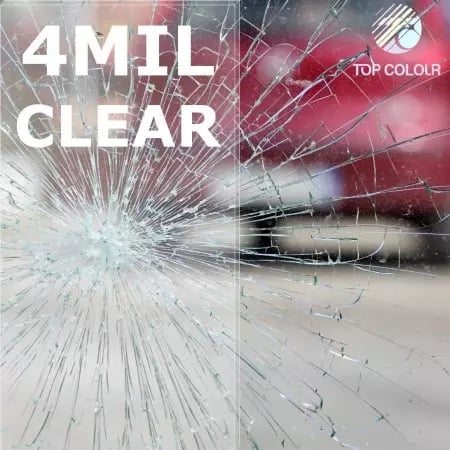
Choosing between PPF and ceramic coating requires understanding which is better PPF or ceramic coating for your specific needs. Paint Protection Film (PPF) is a thermoplastic urethane layer applied directly to your vehicle's paint, creating a physical barrier against impacts, scratches, and environmental contaminants. Ceramic coating, conversely, is a liquid nanotechnology product that chemically bonds to the paint surface, forming a hard, glossy protective layer. When determining which is better PPF or ceramic coating, consider that PPF excels at preventing physical damage from road debris, stone chips, and minor collisions through its self-healing properties. Ceramic coating specializes in chemical protection against UV rays, bird droppings, tree sap, and oxidation while enhancing visual aesthetics with superior gloss and water beading. The technological features of PPF include its thickness (typically 150-200 microns), optical clarity, and ability to absorb impact energy without permanent damage. Ceramic coatings offer hydrophobic properties, heat resistance up to 1200 degrees Celsius, and durability lasting two to five years. Understanding which is better PPF or ceramic coating depends on whether you prioritize physical protection or aesthetic enhancement combined with chemical resistance. Many vehicle owners ask which is better PPF or ceramic coating because both serve distinct protective purposes, yet neither completely replaces the other. PPF applications suit high-impact areas like hoods, fenders, and bumpers, while ceramic coating covers entire vehicles. The choice ultimately reflects your driving conditions, maintenance commitment, and protection priorities when deciding which is better PPF or ceramic coating.
 ×


 EN