
 EN




How does self healing PPF protect your vehicle paint?
Self healing ppf protects vehicle paint by placing a resilient, transparent layer over vulnerable painted surfaces. When light scratches or swirl marks affect the film, warmth can help its surface recover, leaving the factory finish underneath shielded from direct contact. Understanding this process helps owners assess protective film technology, distinguish it from paint protection coating, and choose suitable auto paint defense for everyday driving.
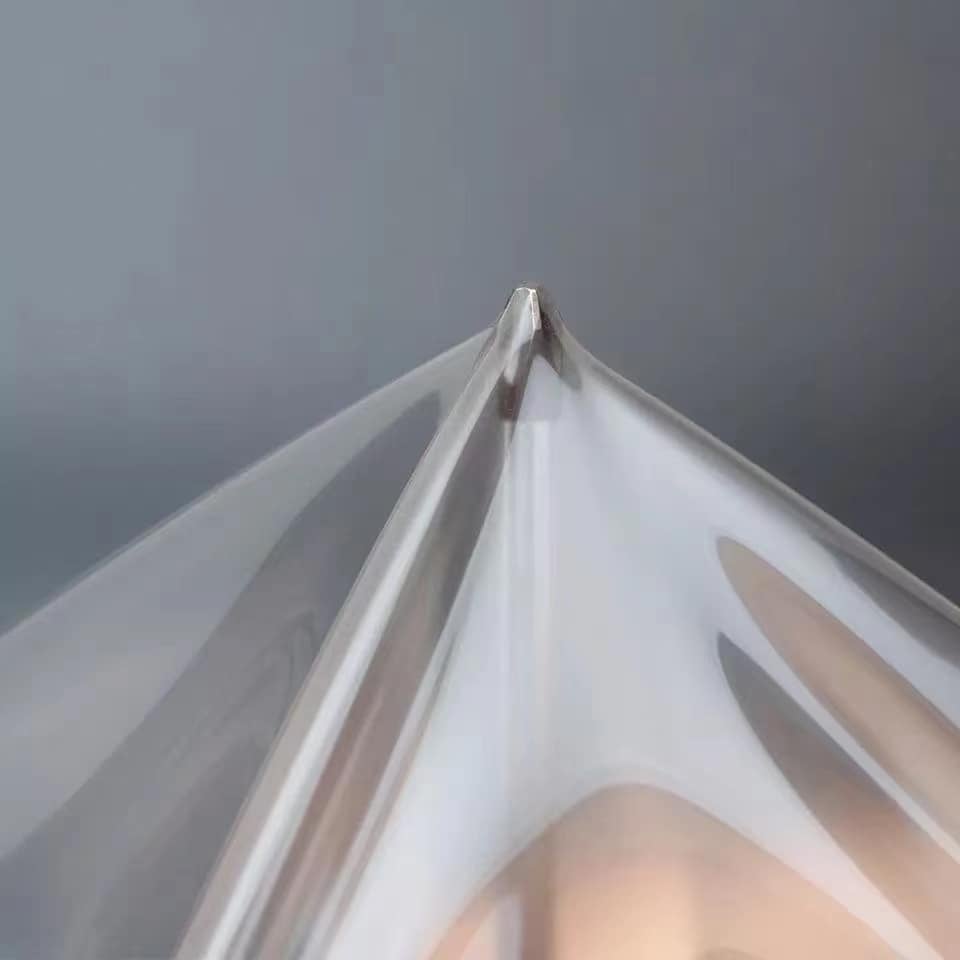
The key is that the film, rather than the vehicle’s clear coat, takes the first impact from small debris, fingernails, road grit, and routine washing. A flexible polymer layer supports this barrier function, while self healing ppf can reduce the visibility of certain shallow marks. Its role in protective film technology is physical separation; it is not a guarantee against every kind of damage or a substitute for careful maintenance.
How the film creates a protective barrier
A sacrificial layer between road hazards and paint
Road particles can strike a bumper, hood, mirror, or rocker panel with enough force to chip exposed paint. With self healing ppf installed on those areas, the film receives that contact first and helps keep the impact away from the original finish. This practical form of protective film technology works as a clear physical barrier, while paint protection coating alone generally does not provide the same film thickness or impact buffer.
The barrier also helps limit abrasion from repeated contact, such as luggage brushing a sill or branches grazing a vehicle on a narrow drive. Auto paint defense depends on matching coverage to where contact is most likely, rather than assuming every panel faces equal risk. Properly selected protective film technology can cover high-exposure zones, and the paint protection coating beneath or around it may support easier cleaning when the products are compatible.
Coverage choices based on exposure
Coverage can range from selected high-impact panels to a broader portion of the body, depending on vehicle use, budget, and appearance preferences. For frequent highway travel, the front-facing surfaces may deserve priority; for loading-intensive work, door edges and cargo-area thresholds may matter more. A self healing ppf plan should reflect these real contact points. Auto paint defense becomes more useful when protective film technology is applied where damage is most plausible.
Film edges, seams, curves, and panel transitions affect both appearance and durability, so installation planning matters alongside material choice. A paint protection coating can complement exposed or uncovered areas, but it should not be treated as identical to a film barrier. Discuss the intended coverage, edge placement, and maintenance expectations before installation. These details help owners understand how protective film technology and auto paint defense fit their particular routes and vehicle tasks.
How self-recovery works in daily use
Surface marks and temperature response
Self healing refers to the film’s ability to soften or relax some minor surface marks when warmth reaches the material. Sunlight or warm water may provide that heat, depending on film design and conditions; deeper cuts that pass through the top layer will not simply disappear. In this way, self healing ppf offers a different benefit from paint protection coating, while protective film technology gives the underlying paint an extra separation layer.
The response is most relevant to fine marks from washing, light rubbing, or routine handling, not dents, paint chips, or damage that penetrates the film. The surface may recover gradually, and the result varies with mark depth, temperature, and the product’s construction. Owners should follow care guidance rather than applying excessive heat. That realistic understanding helps auto paint defense remain useful without mistaking protective film technology for a repair method or a paint protection coating.
Everyday care that preserves the barrier
Washing habits influence how the protected surface looks over time. Use clean tools, rinse grit away before wiping, and avoid aggressive scrubbing that can create avoidable marks. Self healing ppf reduces direct exposure of the paint, but it still benefits from gentle cleaning and prompt removal of contaminants. These practices support the film’s role in protective film technology and help paint protection coating on compatible surfaces remain easier to maintain.
After installation, observe the installer’s guidance on curing time, washing, and exposure to water or chemicals. Inspect edges periodically, especially around curved panels and areas that receive frequent contact. If lifting or trapped contamination appears, seek appropriate assessment rather than pulling at the film. Consistent care allows auto paint defense to work as intended, helps preserve the film’s appearance, and makes the relationship between self healing ppf and paint protection coating easier to manage.
Protection limits and practical decisions
Damage the film can and cannot address
A film barrier can reduce the chance that minor abrasion and some small impacts reach the paint, but it cannot prevent all chips, collision damage, or deep scratches. Its performance depends on film condition, installation, coverage, and the force or angle of contact. Treat self healing ppf as one layer of auto paint defense, not an invulnerable shell. Protective film technology provides separation, while paint protection coating may help with surface care in other ways.
A mark that cuts through the film may remain visible and could require repair or replacement of the affected section. Discoloration, staining, edge damage, and wear also depend on exposure and upkeep. Owners should distinguish a surface mark that may relax from a puncture or tear that compromises the barrier. This distinction sets realistic expectations for protective film technology and clarifies why paint protection coating does not repair physical damage to a film or vehicle panel.
Choosing coverage and evaluating the investment
Consider driving patterns, parking conditions, vehicle age, paint condition, and the cost of repairing exposed panels. A vehicle used on gravel roads may need different coverage from one kept indoors and driven mainly in a low-debris setting. The useful question is not whether self healing ppf prevents every blemish, but whether protecting selected areas fits the likely risks. That is a practical way to assess auto paint defense and protective film technology.
Before installation, confirm that the paint is clean and suitable for application, clarify which panels are included, and ask how seams and edges will be finished. Review care instructions and understand how damage is assessed if a section needs attention. Paint protection coating may suit owners focused on surface maintenance, while film provides a physical barrier. Comparing these roles helps set a clear expectation for self healing ppf and the broader paint protection coating plan.
FAQ
Can self healing ppf remove every scratch?
No. The surface can recover from some fine marks, but deep scratches, cuts, and punctures may remain. Protective film technology is intended to reduce exposure of the paint, not reverse substantial damage. Assess the mark before choosing any repair.
Does a paint protection coating work like film?
No. A coating is a surface layer used for paint care, while film is a thicker physical barrier. Auto paint defense can include either approach or both, depending on coverage needs and product compatibility. Confirm the intended function before combining them.
Which vehicle areas benefit most from film?
Prioritize surfaces with frequent debris or contact, such as front panels, mirrors, door edges, and loading thresholds. The right placement depends on use and exposure. Protective film technology works best as a considered coverage plan, rather than an assumption that every panel needs identical treatment.