paint protection film vs ceramic coating
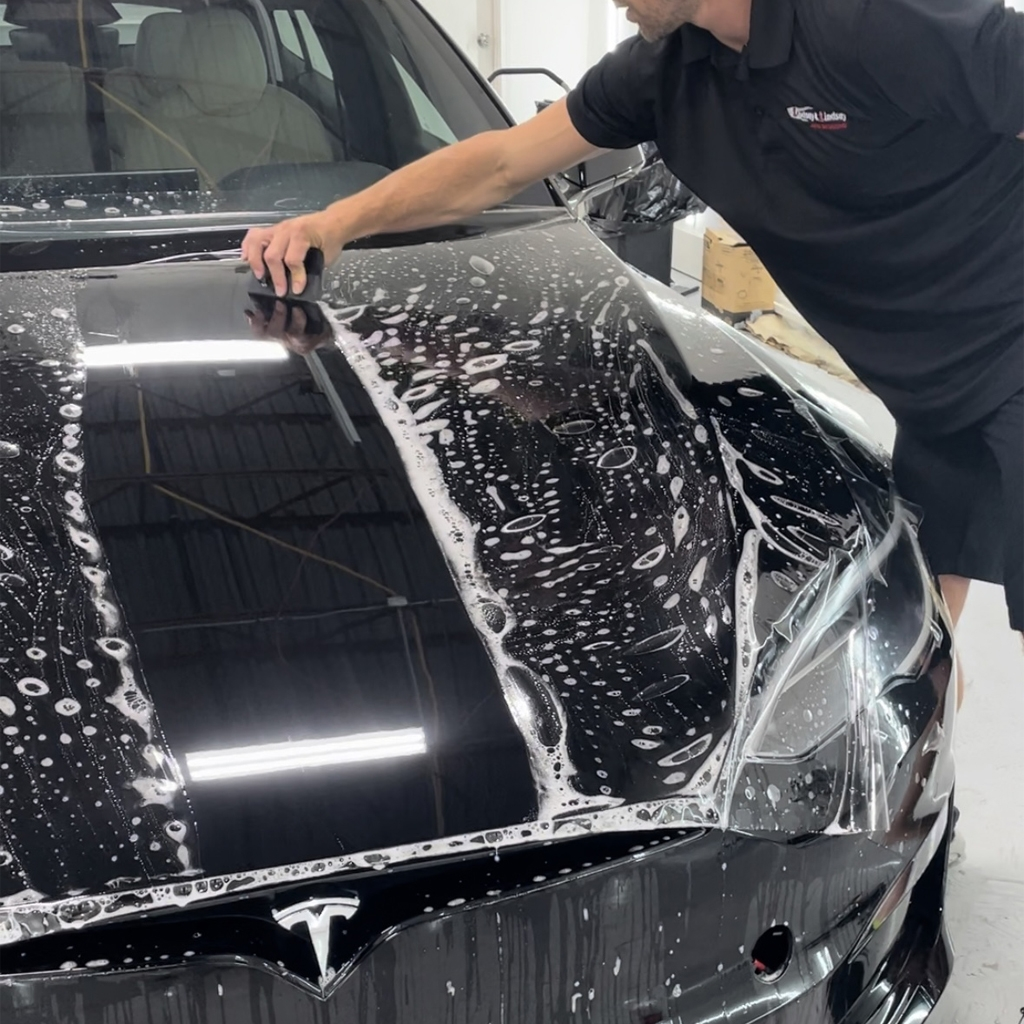
Paint protection film vs ceramic coating represents two distinct automotive protection solutions that serve different purposes for vehicle owners. Paint protection film, commonly known as PPF, is a transparent thermoplastic urethane layer applied directly to your vehicle's painted surfaces. This physical barrier shields against rock chips, scratches, and environmental contaminants. Ceramic coating, conversely, is a liquid nanotechnology product that chemically bonds to your paint, creating a hydrophobic surface that repels water and dirt. When comparing paint protection film vs ceramic coating, understanding their core functions becomes essential. PPF offers superior impact resistance and self-healing properties on premium versions, making it ideal for high-wear areas. Ceramic coating provides exceptional gloss enhancement and UV protection through a durable glass-like finish. Paint protection film vs ceramic coating differ significantly in application methods and longevity. PPF typically lasts five to ten years and requires professional installation, while ceramic coating lasts two to five years and demands meticulous surface preparation. Many vehicle owners choose paint protection film vs ceramic coating based on their specific needs, budget, and aesthetic preferences. Some select both products together for comprehensive protection. The technology behind paint protection film vs ceramic coating continues advancing, offering improved durability and easier maintenance. Your choice between these options should reflect your driving conditions, climate, and vehicle usage patterns.
 ×

 EN