
 EN




Should you choose self healing PPF for your car?
When protecting your vehicle's exterior, few investments offer the combination of durability and aesthetic preservation that self healing ppf provides. Paint Protection Film has evolved significantly over the past decade, and the introduction of self-healing technology represents a major breakthrough in automotive surface protection. Whether you're driving a luxury sedan, a high-performance sports car, or a daily commuter, understanding whether self healing ppf aligns with your needs requires examining both its capabilities and practical limitations.
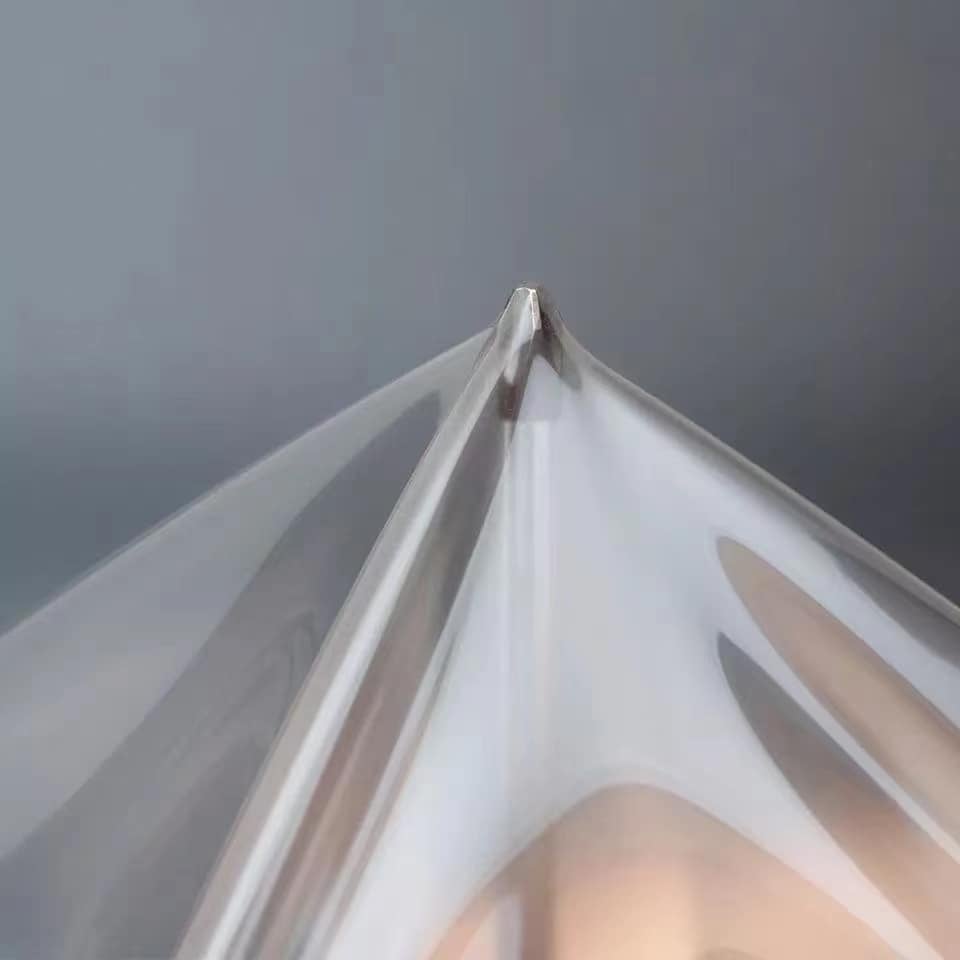
Self healing ppf is a thermoplastic polyurethane-based protective film technology designed to automatically repair minor scratches, swirl marks, and surface imperfections when exposed to heat or sunlight. Unlike traditional protective film technology, which remains static after installation, self healing ppf leverages molecular elasticity to restore its surface appearance over time, making it an increasingly popular choice for vehicle owners seeking low-maintenance paint protection coating solutions.
Understanding Self Healing PPF Technology
How Protective Film Technology Works
Protective film technology operates on a simple yet elegant principle: creating a barrier between your vehicle's paint and environmental hazards. Traditional paint protection coating systems form a static shield, but self healing ppf introduces a dynamic element through its thermoplastic polyurethane composition. When light scratches or minor damage occur, the material's molecular structure gradually relaxes and flows back into place, effectively erasing surface imperfections without requiring professional intervention.
The self-healing process typically occurs over hours or days, depending on ambient temperature and sunlight exposure. Warmer conditions accelerate the healing cycle, while cooler climates may slow molecular recovery. This auto paint defense mechanism works best on light scratches, swirl marks, and minor abrasions rather than deep gouges or severe damage.
Material Composition and Performance
Modern self healing ppf combines advanced protective film technology with additives that enhance clarity, durability, and flexibility. The paint protection coating layer typically measures between 8 to 12 mils thick, providing substantial auto paint defense against stone chips, road debris, and environmental contaminants. Unlike older generations of protective film technology, contemporary formulations maintain optical clarity while resisting yellowing, discoloration, and degradation from UV exposure.
The elasticity of the polyurethane base allows the film to conform seamlessly to complex vehicle surfaces, including curved panels, hood edges, and bumper contours. This flexibility, combined with paint protection coating adhesive technology, ensures long-term adhesion and protection without creating visible seams or compromising your vehicle's appearance.
Evaluating the Practical Benefits
Cost-Benefit Analysis for Vehicle Owners
The financial equation for installing self healing ppf depends on your vehicle's value, driving conditions, and aesthetic priorities. A professional self healing ppf installation on a full vehicle typically ranges from two to five thousand dollars, while partial coverage such as front bumper and hood protection costs significantly less. When evaluated against potential paint repair costs—which can exceed one thousand dollars per panel—protective film technology represents a pragmatic investment for owners of newer, higher-value vehicles.
For daily drivers operating in harsh environments with gravel roads, heavy traffic, or frequent travel at highway speeds, the paint protection coating benefits justify the investment. However, owners of older vehicles or those with low annual mileage may find alternative auto paint defense solutions more economical. The key consideration is whether your vehicle's depreciation risk and aesthetic maintenance preferences align with the upfront protective film technology cost.
Long-Term Durability and Maintenance
Quality self healing ppf installations typically maintain protective performance for five to ten years, though longevity depends on installation quality, climate, and vehicle usage patterns. The paint protection coating remains virtually maintenance-free compared to alternative auto paint defense approaches, requiring only periodic washing with standard automotive care products. The self-healing capability means minor imperfections disappear naturally, eliminating the frustration of watching swirl marks and light scratches accumulate on unprotected paint.
Over its lifespan, protective film technology reduces the frequency and severity of paint correction procedures needed to maintain your vehicle's appearance. This passive maintenance advantage appeals to owners seeking convenience alongside comprehensive auto paint defense, particularly those reluctant to perform regular ceramic coating maintenance or professional detailing.
Limitations and Realistic Expectations
Understanding What Self Healing PPF Cannot Do
Despite its advantages, self healing ppf has genuine limitations that buyers should understand before deciding. Deep scratches penetrating through the protective film technology layer, severe rock chips, or damage reaching the base paint will not self-heal and require professional repair. Additionally, the paint protection coating does not prevent the underlying paint from oxidizing if damage compromises the film's integrity.
The self-healing capability works optimally on light surface scratches and minor blemishes; heavy swirl marks or deliberate gouges exceed the film's repair capacity. Environmental factors like extreme cold, prolonged shade exposure, or limited sunlight can slow the healing process considerably. For owners in cool, overcast climates, the healing timeframe may extend significantly, reducing the practical benefit of this protective film technology feature.
Installation and Application Considerations
Professional installation quality directly impacts self healing ppf performance and longevity. Poor application creates visible seams, traps air bubbles, or leaves edges prone to peeling, all compromising your paint protection coating investment. Choosing an experienced installer familiar with self-healing polyurethane technology ensures optimal results and proper auto paint defense coverage.
The installation process requires the vehicle to remain immobilized for 24 to 48 hours, allowing the protective film technology adhesive to fully cure. Additionally, the material's cost fluctuates based on product quality and brand reputation, so requesting multiple quotes helps identify reasonable pricing for your desired protective film technology coverage area.
FAQ
Is self healing ppf worth the investment for average vehicle owners?
For vehicle owners prioritizing long-term paint protection coating and convenience, self healing ppf offers genuine value, particularly on vehicles worth more than twenty thousand dollars. The paint protection coating eliminates frequent paint correction needs and maintains your vehicle's resale appeal. However, budget-conscious owners with low annual mileage or older vehicles may find partial coverage or alternative auto paint defense solutions more practical.
How long does it take for self healing ppf to repair scratches?
Minor scratches typically heal within hours to several days, depending on temperature and sunlight exposure. The protective film technology's self-healing process accelerates in warm, sunny conditions and slows in cool or shaded environments. Complete healing of light surface damage usually occurs within 48 to 72 hours under normal driving and weather conditions.
Can self healing ppf protect against all types of paint damage?
Self healing ppf effectively guards against light scratches, swirl marks, minor rock chips, and road debris impact, making it excellent auto paint defense for everyday hazards. However, deep gouges, severe damage, or accidents exceeding the protective film technology's thickness will require professional paint repair. The paint protection coating performs best as preventive protection rather than a solution for major damage.