
 EN
EN




How Can You Source PPF From a Reliable Factory?
Sourcing paint protection film from a trustworthy ppf factory is essential for automotive businesses, dealerships, and detailing professionals seeking consistent quality and reliable supply. The decision to partner with a dependable supplier directly impacts your operational efficiency, product reputation, and customer satisfaction. Finding the right factory requires understanding manufacturing standards, production capabilities, quality assurance protocols, and the factory's track record in the automotive protective coating facility sector.
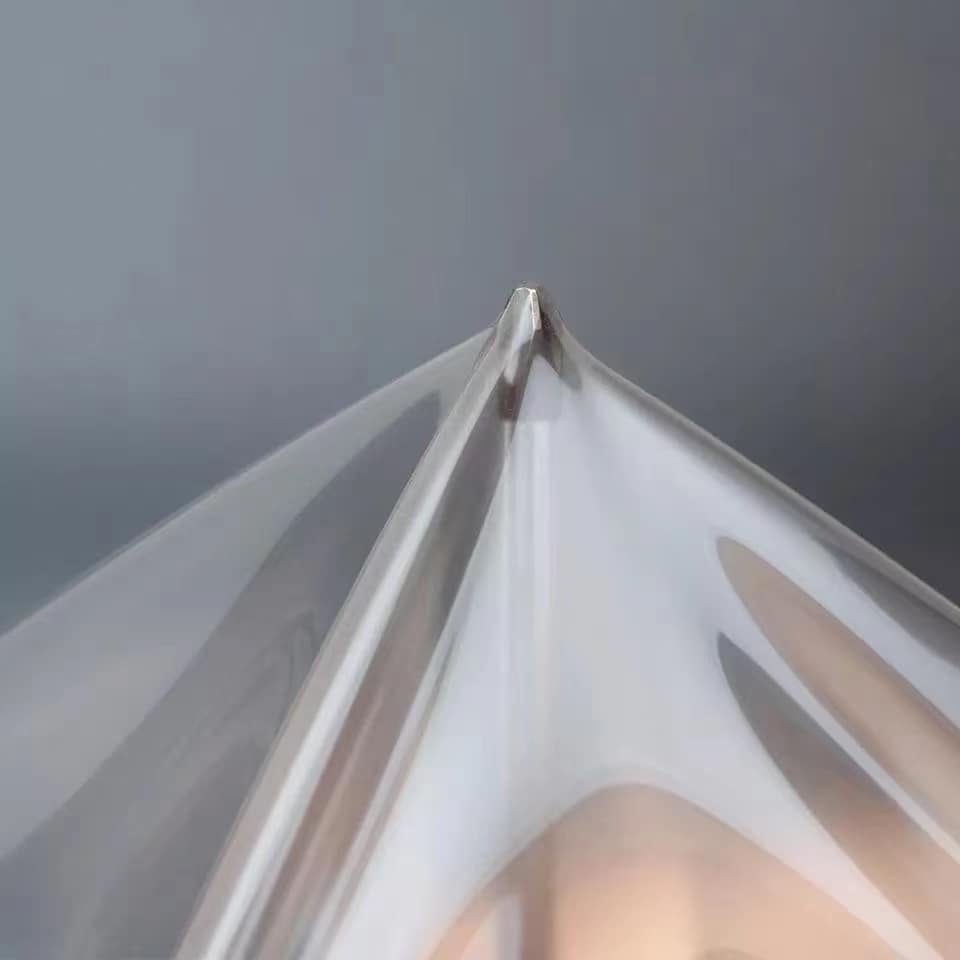
The paint protection film production industry has evolved significantly over the past decade, with factories now implementing advanced technologies and rigorous quality controls. Whether you are a distributor, retailer, or end-user seeking bulk supplies, understanding how to evaluate and select a reliable ppf manufacturing process partner will save you time, money, and potential quality issues down the line. This guide walks you through the critical factors that distinguish a dependable automotive protective coating facility from mediocre producers.
Evaluating Factory Credentials and Certifications
Industry Standards and Quality Assurance
A reputable ppf factory should hold internationally recognized certifications and comply with automotive industry standards. Look for ISO 9001 certification, which demonstrates commitment to quality management systems across their paint protection film production operations. The factory should also maintain certifications specific to automotive applications, such as compliance with SAE or ASTM specifications for protective coatings. Request documentation proving that the ppf manufacturing process follows controlled environmental standards for temperature, humidity, and contamination control during production.
Quality assurance programs at leading facilities include regular third-party testing, batch verification, and traceability documentation. Ask potential suppliers about their testing protocols for clarity, durability, adhesion, and chemical resistance. A reliable automotive protective coating facility will provide transparent testing reports and be willing to share performance data with prospective partners. The factory should document their quality metrics and demonstrate consistent performance across production batches, ensuring you receive the same high-quality product every time.
Production Capacity and Technology
Assess the factory's production equipment and technological capabilities to ensure they can meet your supply requirements without compromising quality. Modern ppf factories utilize precision coating equipment, advanced curing systems, and automated quality inspection machinery. Visit the facility if possible to observe the paint protection film production environment, or request detailed specification sheets about their manufacturing equipment. The presence of cutting-edge technology often correlates with higher quality output and greater consistency across batches.
Production capacity should align with your business needs. Whether you require modest monthly volumes or large-scale shipments, the ppf manufacturing process should be scalable without extended lead times or quality degradation. Ask about their production timeline, minimum order quantities, and flexibility for custom specifications. A professional factory will provide clear capacity assessments and realistic delivery schedules, helping you plan inventory and customer fulfillment effectively.
Assessing Product Quality and Material Performance
Film Composition and Performance Characteristics
The quality of paint protection film depends heavily on material composition and manufacturing precision. Request detailed technical specifications about the film's base layers, adhesive formulation, and topcoat characteristics. A quality ppf factory produces films with superior clarity, excellent self-healing properties, and long-term durability against UV, chemicals, and environmental contaminants. The automotive protective coating facility should be transparent about whether they use virgin polymers or recycled materials, and how their formulation compares to industry standards.
Test samples before committing to large orders. Evaluate clarity by examining how the film appears on different paint colors and finishes. Check adhesion strength, removal ease, and whether the film leaves residue after installation. Ask about the film's performance in various climates, from extreme heat to cold weather applications. A dependable ppf manufacturing process will provide samples demonstrating self-healing properties under UV exposure, chemical resistance under common automotive cleaners, and long-term stability without yellowing or degradation.
Customization and Variant Offerings
Different vehicle types and customer preferences require varied paint protection film specifications. A reliable ppf factory should offer multiple product lines, such as standard clarity films, matte finish options, and specialty formulations for different applications. Inquire about the paint protection film production capabilities for custom thicknesses, adhesive strengths, or specific topcoat formulations tailored to unique market demands. The automotive protective coating facility should be willing to develop custom solutions for high-volume partners or niche applications.
Discuss color options, finish variants, and any specialty films the factory manufactures. Some facilities produce films with enhanced hydrophobic properties, anti-stain formulations, or anti-scratch coatings that add value for premium market segments. Understanding the range of products available helps you match supply capabilities with customer demand and market positioning. A factory offering diverse product lines demonstrates manufacturing expertise and commitment to serving varied customer segments.
Supply Chain Reliability and Business Partnership
Lead Times, Logistics, and Inventory Management
A dependable ppf factory must deliver orders consistently and on schedule. Evaluate their track record for meeting promised delivery dates, handling rush orders, and managing logistics efficiently. Discuss their inventory management practices, storage conditions, and shipping protocols to ensure product integrity during transit. Ask about their standard lead times for regular orders and their flexibility for expedited shipments if your business experiences unexpected demand surges.
Understand the factory's supply chain redundancy and contingency planning. Do they maintain backup suppliers for raw materials? How do they handle production disruptions or unforeseen circumstances? A mature ppf manufacturing process operation will have documented contingency plans and alternative logistics routes to minimize supply interruptions. Request information about their storage facilities, climate control measures, and handling procedures to confirm that products arrive in optimal condition.
Communication and Customer Support
Professional ppf factory partners maintain clear communication channels and responsive customer support. Your contact should be knowledgeable about their products, capable of answering technical questions, and willing to troubleshoot issues promptly. Evaluate how the factory handles questions during your vetting process—quick, detailed responses indicate a business-focused operation. The automotive protective coating facility should provide documentation, technical data sheets, and installation guidance supporting your customer education and sales efforts.
Establish clear terms for order placement, payment, returns, and dispute resolution before entering a partnership. A reliable supplier will have documented agreements, transparent pricing structures, and fair policies for addressing product defects or shipping issues. Request references from existing customers to verify that the factory delivers consistent service and maintains strong business relationships. Long-term partnership success depends on mutual respect, clear expectations, and reliable communication throughout your working relationship.
FAQ
What certifications should a quality ppf factory hold?
A credible ppf factory should maintain ISO 9001 certification for quality management and comply with automotive industry standards such as SAE or ASTM specifications. The paint protection film production facility should also undergo regular third-party testing to verify performance in clarity, adhesion, durability, and chemical resistance. Additional certifications for environmental compliance and workplace safety demonstrate a comprehensive approach to operational excellence and regulatory adherence.
How can I verify the quality of paint protection film production before making a large purchase?
Request sample products from the ppf factory and conduct thorough testing on various vehicle surfaces and paint finishes. Evaluate clarity, adhesion, self-healing properties, and long-term durability by exposing samples to UV light and common automotive chemicals. Ask the automotive protective coating facility for documented test results and performance data. Consider visiting the manufacturing facility if feasible to observe their ppf manufacturing process, equipment, and quality control procedures firsthand.
What should I look for regarding lead times and inventory management?
A reliable ppf manufacturing process partner should provide clear information about standard lead times, minimum order quantities, and their capacity to handle rush orders. Ask how the factory stores inventory, maintains product quality during storage, and manages logistics to ensure timely delivery. Inquire about their contingency plans for supply disruptions and whether they maintain backup suppliers for raw materials. Understanding these factors helps you plan your operations effectively and minimize supply chain risks.