
 EN




What is Color PPF and How Does It Protect Your Vehicle?
Color PPF, or color ppf, represents a modern advancement in automotive protection that combines functional defense with aesthetic customization. Unlike traditional clear paint protection film, colored paint protection film allows vehicle owners to modify their exterior appearance while maintaining robust protection against environmental damage, road debris, and oxidation. This innovative solution merges two essential automotive needs into a single installation, making it an increasingly popular choice for owners who want both style and substance.
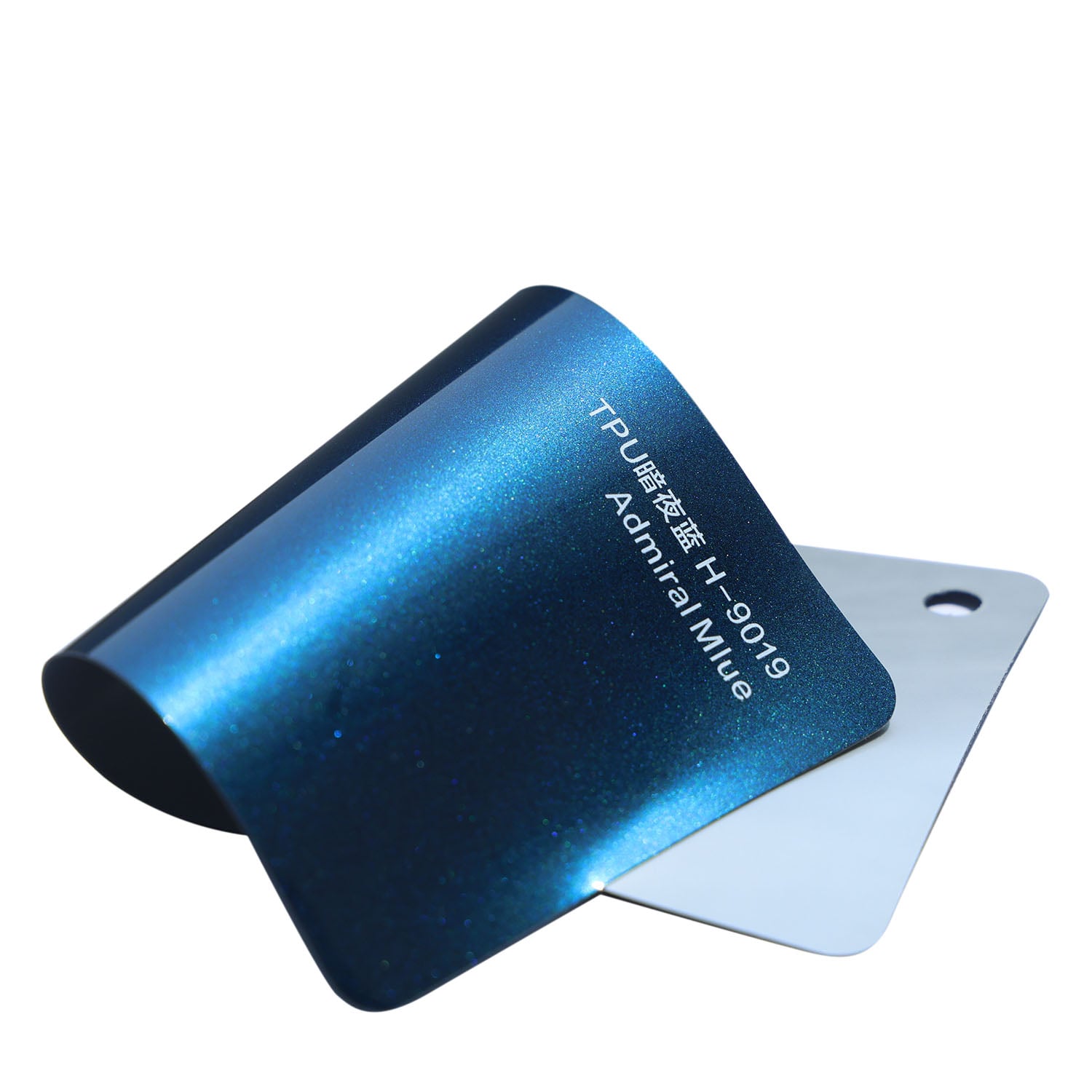
The technology behind colored paint protection film has evolved significantly over the past decade, enabling manufacturers to produce films with superior adhesion, durability, and color retention. Vehicle owners now have access to tinted protective film options that maintain factory paint while providing professional-grade defense. Understanding how color-matched ppf works and its protective capabilities helps owners make informed decisions about their vehicle investment and long-term maintenance strategy.
Understanding Colored Paint Protection Film Technology
Core Composition and Material Properties
Colored paint protection film is engineered from thermoplastic polyurethane (TPU) substrates infused with pigments and protective compounds. The tinted protective film construction includes multiple layers: a protective topcoat that resists scratches and UV damage, a pigmented middle layer that provides the desired color, and a self-healing adhesive layer that bonds to the vehicle's surface. This multi-layered design ensures that color-matched ppf maintains its integrity under extreme weather conditions, road salt exposure, and prolonged sun exposure.
The self-healing properties of colored paint protection film distinguish it from static protective coatings. When minor scratches or micro-abrasions occur on the tinted protective film surface, the material gradually reforms itself due to its thermoplastic nature, erasing evidence of damage. This self-healing mechanism works most effectively for superficial scratches and becomes more pronounced in warmer climates where the film maintains greater flexibility.
Color Matching and Customization Options
Modern colored paint protection film offerings include an extensive palette of color-matched ppf options designed to align with both factory paint colors and custom automotive finishes. Manufacturers analyze vehicle paint codes and produce color-matched ppf films that seamlessly integrate with existing bodywork, creating a uniform appearance across the protected surface. This level of customization extends beyond simple color matching, as some tinted protective film varieties include matte, satin, and gloss finish options.
The pigments used in colored paint protection film undergo rigorous UV stabilization processes to ensure long-term color retention and prevent fading or discoloration. Premium color-matched ppf formulations resist yellowing and maintain aesthetic appeal for extended periods, even in regions with intense solar radiation. Vehicle owners can select finish options that either complement or intentionally contrast with their vehicle's original appearance, depending on their customization goals.
Protective Benefits and Defense Mechanisms
Defense Against Environmental and Physical Hazards
Colored paint protection film delivers comprehensive protection against rock chips, insect damage, tree sap, bird droppings, and chemical fallout that compromise unprotected automotive paint. The resilient TPU composition of tinted protective film absorbs impact energy that would otherwise transfer directly to the vehicle's clear coat and base paint layers. This protection proves especially valuable in highway driving scenarios where road debris regularly impacts vehicle fronts, hoods, and leading edges.
UV radiation represents a significant threat to vehicle finishes, causing oxidation, fading, and structural deterioration of paint molecules. Colored paint protection film blocks substantial ultraviolet wavelengths, preventing these damaging rays from reaching the underlying vehicle paint. The color-matched ppf configuration provides this UV protection while allowing owners to enjoy their chosen aesthetic preference rather than relying solely on clear protective films.
Hydrophobic Properties and Weather Resistance
Premium colored paint protection film incorporates hydrophobic technology that causes water to bead and roll off the surface rather than pooling or creating water spotting. This tinted protective film characteristic extends the interval between washes and reduces the likelihood of mineral-laden water causing permanent surface marks. The hydrophobic nature of color-matched ppf also facilitates easier cleaning and maintenance compared to bare automotive paint.
Chemical resistance represents another significant advantage of colored paint protection film installations. The film barriers protect underlying paint from acid rain, industrial fallout, road salt, and brake dust accumulation that progressively damage unprotected finishes. For vehicle owners in coastal regions or industrial areas, tinted protective film provides essential defense against environmental contaminants that accelerate paint degradation and corrosion.
Installation and Long-Term Maintenance Considerations
Professional Installation Requirements
Proper application of colored paint protection film demands specialized skills and equipment that professional installers possess. Technicians must carefully prepare vehicle surfaces through thorough cleaning and decontamination to ensure optimal adhesion of the color-matched ppf. The installation process involves precise measurements, cutting, and positioning to align the tinted protective film seamlessly with vehicle body lines and panel edges.
Professional installers use slip solutions and specialized tools to position colored paint protection film accurately before the adhesive fully sets. This meticulous approach prevents bubbling, wrinkles, and misalignment that diminish aesthetic quality and protective effectiveness. Quality installations of color-matched ppf typically include comprehensive warranties covering adhesion failures, peeling, and discoloration issues.
Maintenance and Longevity
Maintaining colored paint protection film requires modest effort compared to protecting bare paint. Regular washing with pH-neutral soaps and soft microfiber cloths preserves the tinted protective film surface and removes contaminants. Vehicle owners should avoid aggressive polishing, buffer machines, and acidic cleaning products that can compromise the film's integrity and appearance.
Properly maintained color-matched ppf installations typically retain their protective and aesthetic qualities for five to ten years, depending on climate conditions and driving patterns. Premium formulations of colored paint protection film demonstrate superior longevity compared to budget alternatives, making the initial investment worthwhile for long-term vehicle protection. Professional removal and replacement services are available when vehicle owners decide to change their aesthetic preferences or upgrade to newer film technology.
FAQ
How does color-matched ppf differ from standard clear protective film?
Color-matched ppf integrates pigmentation directly into the film substrate, allowing vehicle owners to modify their vehicle's appearance while receiving identical protective benefits compared to clear films. Standard clear protective film maintains the original paint color but adds thickness and a slightly glossy appearance. Color-matched ppf provides both aesthetic customization and protection, eliminating the need to choose between style and defense. Tinted protective film options empower owners to achieve specific design goals without compromising structural protection.
Can colored paint protection film be removed without damaging the underlying paint?
Professional removal of colored paint protection film rarely damages factory paint when performed by experienced technicians using proper heat application and careful technique. The adhesive used in quality color-matched ppf products releases cleanly when warmed appropriately, leaving no residue on the vehicle surface. However, removal of tinted protective film that has been in place for many years may occasionally reveal paint that has weathered differently than protected areas, creating temporary visual inconsistencies that typically fade as the exposed paint reoxidizes. Vehicle owners should always engage professional installers for removal services to ensure optimal outcomes.
What color options are available in colored paint protection film products?
Modern colored paint protection film manufacturers offer extensive palettes including matte blacks, glossy reds, pearl whites, custom metallics, and satin finishes that match virtually any automotive paint specification. Color-matched ppf can replicate factory colors precisely or enable creative customization with non-standard hues that distinguish individual vehicles. Tinted protective film varieties continue expanding as manufacturers respond to growing demand for personalized automotive aesthetics combined with defensive protection capabilities.