
 EN




What is self healing PPF and how does it work?
Self healing ppf is a transparent protective layer designed to reduce the appearance of minor surface marks. It works by using a flexible top layer that can recover from certain light scratches when exposed to suitable heat. Understanding this response helps vehicle owners and installers set realistic expectations for protective film technology, paint protection coating, and auto paint defense.
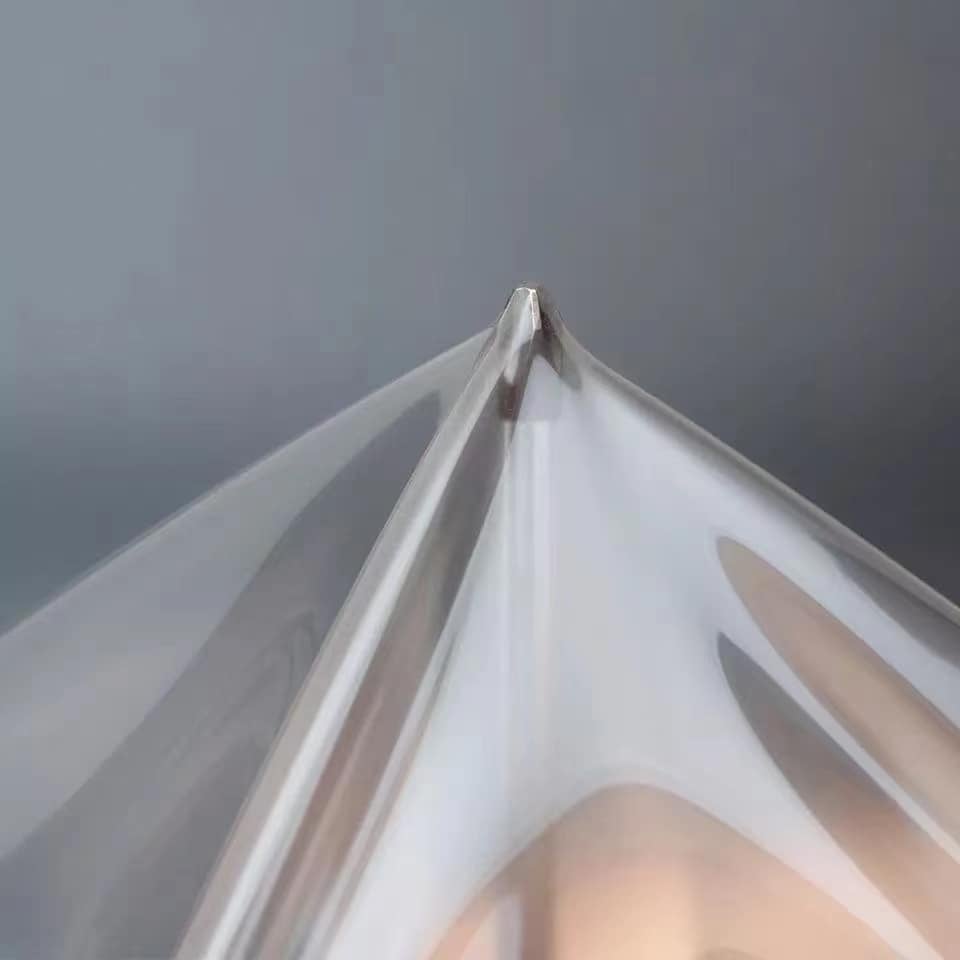
The key distinction is that the film does not repair damaged paint or make a vehicle immune to impact. Instead, its surface can soften and settle after some shallow marks, while the film itself acts as a barrier between the finish and everyday hazards. For buyers comparing protective film technology with a paint protection coating, or planning broader auto paint defense, the recovery mechanism and its limits matter.
How Self Healing PPF Works
The layered film structure
A typical self healing ppf system uses a clear, flexible film with multiple functional layers. The top coat supplies the recovery behavior, while the underlying polymer provides the film body and helps it conform to vehicle panels. Adhesive on the underside holds the material against the paint. This layered design is the practical basis of protective film technology, and it differs from a liquid paint protection coating that cures directly on the surface.
When a light mark disrupts the top coat, the flexible material can gradually relax toward its original smooth state. Warmth from sunlight or another suitable heat source may speed that response, depending on the film and the mark. This does not mean every scratch disappears: a cut that penetrates the film, deep gouging, or damage to the paint remains outside the normal recovery process. Effective auto paint defense therefore begins with understanding what the surface can and cannot recover from.
What triggers surface recovery
The word healing describes a material response, not biological repair. With self healing ppf, heat increases the mobility of the top layer enough for shallow impressions to relax. The timing and visible result vary with the type of contact, ambient conditions, film construction, and how long the mark has been present. Protective film technology can help reduce the visibility of light scuffs, but a paint protection coating or film cannot promise that every blemish will vanish.
A useful way to evaluate auto paint defense is to distinguish surface marks from cuts and impact damage. A faint swirl caused by gentle contact may be a candidate for recovery, while a sharp scratch that breaks through the clear film is not. The same distinction applies when comparing a paint protection coating with film: coatings may help resist some surface wear, but they do not reproduce the physical barrier of film. Ask how the specific protective film technology is intended to respond before setting care expectations.
What Self Healing PPF Protects Against
Everyday contact and road exposure
On a vehicle in regular use, self healing ppf can serve as a sacrificial surface against selected forms of routine contact. Road grit, light scuffs, and incidental rubbing may mark the film rather than the original finish, depending on force and angle. That barrier role is central to protective film technology, while the recovery layer may soften certain shallow traces. Compared with a paint protection coating, film adds a physical sheet; both options can contribute to auto paint defense, but in different ways.
Suitability depends on where a vehicle encounters risk. A fleet car exposed to frequent loading, a privately used vehicle with highway mileage, and a show vehicle with strict appearance priorities may have different reasons to consider self healing ppf. Protective film technology is most relevant where contact is likely and preserving the underlying finish is valuable. A paint protection coating may suit owners seeking a different surface treatment, while a considered auto paint defense plan starts with actual use rather than a generic promise.
Damage the film cannot undo
Self healing ppf is not a fix for chips, deep cuts, dents, or paint defects present before installation. The film can be punctured by sufficiently sharp or forceful impact, and a damaged section may require professional assessment or replacement. Protective film technology can reduce direct exposure to some hazards, but the result depends on material, installation, and the event. A paint protection coating also has limits, so auto paint defense should never be treated as a guarantee against all damage.
The condition of the paint beneath the film also matters. Dust, residue, or an existing defect can remain visible after application, and poor preparation may affect appearance or adhesion. A paint protection coating is generally applied over a prepared surface too, but the installation process differs from fitting film. For sound auto paint defense, discuss panel preparation, edge finishing, and care instructions with the installer. Those practical steps are as important as the claims made about protective film technology.
Choosing and Caring for the Film
Fit the material to vehicle use
Before choosing self healing ppf, identify which panels face the most contact and what level of coverage is appropriate. Owners may focus on exposed front panels, high-contact edges, or a broader portion of the vehicle, based on driving conditions and appearance goals. Protective film technology should be assessed in relation to those needs, not as an abstract feature. A paint protection coating may remain an alternative or complement in some care plans, while auto paint defense should reflect budget, use, and maintenance preferences.
Review the product information for film construction, maintenance guidance, and the stated conditions for recovery. Ask how the material behaves after ordinary scuffs, what care products are appropriate, and how damage is handled. This gives buyers a more useful comparison of protective film technology than relying on the phrase self-healing alone. A paint protection coating has its own application and care requirements, so evaluate each option on its method and role in auto paint defense.
Installation and maintenance expectations
Installation quality influences how self healing ppf looks and performs on complex curves, panel edges, and high-visibility areas. The surface should be clean and properly prepared, and the film should be positioned without trapped debris or excessive tension. Protective film technology cannot compensate for poor fitting. Likewise, a paint protection coating relies on correct surface preparation and application, making professional process and clear aftercare instructions relevant to long-term auto paint defense.
Follow the film maker's care directions, especially during the initial period after installation. Use suitable washing methods, avoid aggressive tools, and do not apply heat directly unless the product guidance permits it. These habits help maintain the finish but do not guarantee that all marks recover. For buyers assessing a particular self healing ppf option, review its specifications and installation requirements alongside other protective film technology. Compare its intended role with a paint protection coating and the overall auto paint defense plan.
FAQ
Does self healing ppf repair every scratch?
No. The surface may recover from some shallow marks, particularly when suitable warmth helps the top layer relax, but deep cuts and impact damage are not repaired. Protective film technology offers a barrier, not complete restoration. A paint protection coating also has limits, so auto paint defense expectations should be based on the type of damage and the product guidance.
Does the film always need sunlight to heal?
Not necessarily. The conditions and speed of recovery depend on the film design, temperature, and mark, so follow product-specific instructions rather than applying uncontrolled heat. Protective film technology can respond differently across products. A paint protection coating does not work through the same film-layer recovery process, and auto paint defense choices should account for those differences.
Is self healing ppf a replacement for careful washing?
No. Gentle, appropriate washing still helps reduce avoidable swirl marks and keeps the film presentable. The recovery feature is not a substitute for maintenance or a remedy for careless handling. Protective film technology, a paint protection coating, and other auto paint defense measures all work best when paired with suitable care and realistic expectations.