
 EN




What factors should you consider before buying car wrap vinyl?
Buying car wrap vinyl is a material decision, a design decision, and a project-planning decision. The right choice depends on the vehicle’s surfaces, the desired finish, the expected service conditions, and who will install the film. Reviewing these factors before purchase helps prevent mismatched materials, avoidable rework, and a result that does not meet the owner’s expectations.
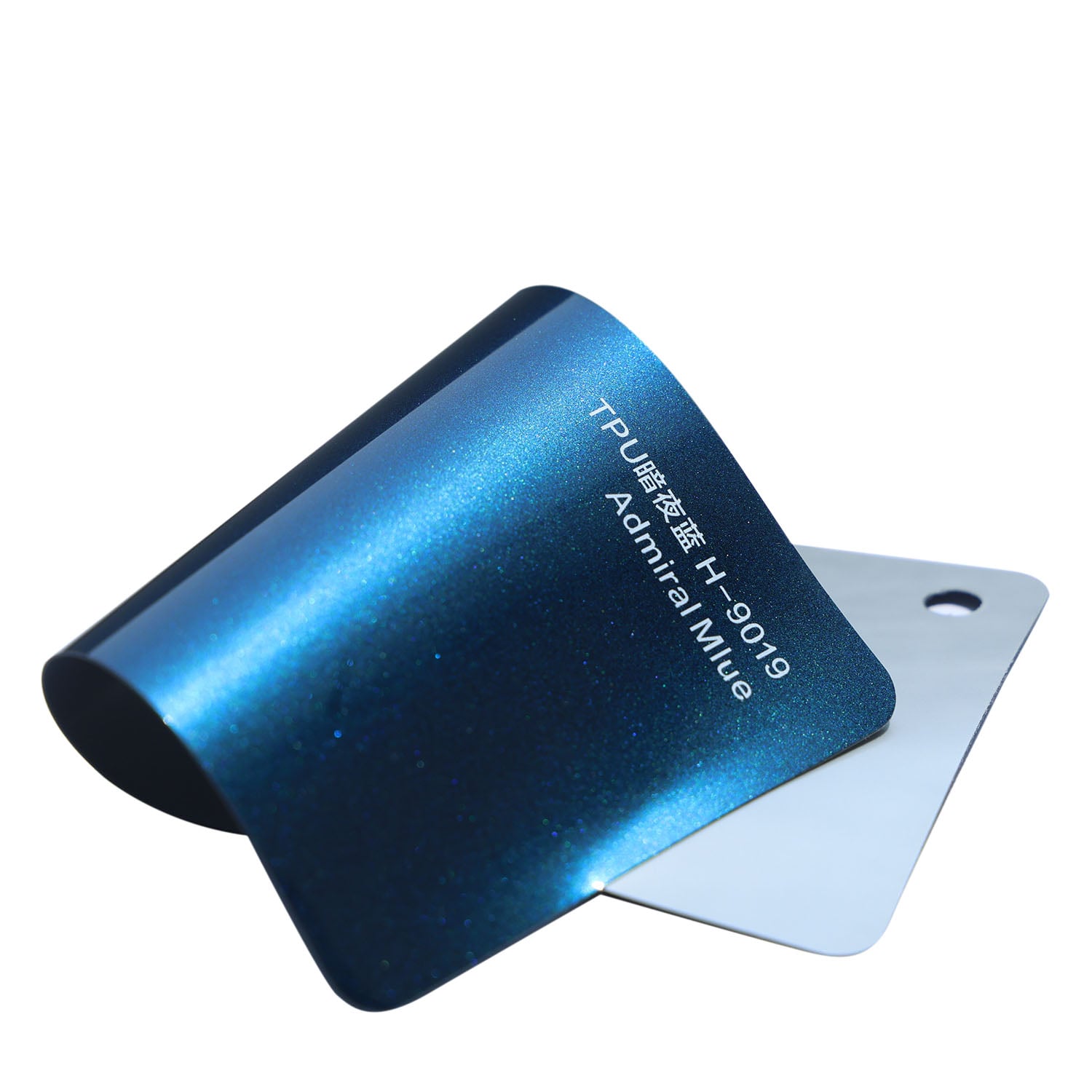
Start by defining the project rather than choosing a color from a sample alone. Decide whether the priority is a complete color change, a distinctive finish, or added surface protection, then assess vehicle wrap installation needs and the conditions the film will face. This guide explains the practical factors to check before committing to a material and a project scope.
Assess the Film and Finish
Match construction to the intended use
Before buying, clarify what the product is designed to do. Car wrap vinyl is commonly selected for appearance changes, while some films combine color styling with a protective function. Compare the stated construction, thickness, adhesive system, and recommended application surfaces rather than assuming that every colored film serves the same purpose. Product details should correspond to the vehicle and the intended result.
Ask how the material is expected to behave around curves, recesses, edges, and trim. Vinyl wrap durability depends not only on the film but also on the surface, installation quality, exposure, and care. Review written guidance for indoor and outdoor use, cleaning, and removal. If the project requires a specific balance of styling and protection, confirm that the chosen film is intended for that combination.
Choose a finish that works on the vehicle
Gloss, satin, matte, metallic, and textured appearances can look different across body panels, so view samples under more than one lighting condition. Custom car wrapping also makes color consistency important: check whether the finish is uniform across the roll and whether adjacent panels can be covered from compatible material batches. A small sample can help assess tone, reflectivity, and how the surface looks beside existing trim.
Consider how the finish will fit the vehicle’s design and daily use. Dark, highly reflective, or textured surfaces may show dust, marks, or handling differently from a neutral gloss. Discuss the finish with the installer before ordering car wrap vinyl, particularly when the design includes multiple colors or accents. Confirm that the selected material can be applied to the planned panels and that the expected appearance is realistic.
Check Vehicle Fit and Installation Needs
Evaluate the vehicle surface and coverage
A successful project starts with an accurate inspection of the vehicle. Existing paint condition, chips, repairs, clear-coat damage, and contamination can affect adhesion and the finished appearance. Vehicle wrap installation generally requires clean, sound surfaces, so identify defects before ordering material. Ask whether damaged areas need repair or whether certain panels should remain unwrapped to avoid an inconsistent result.
Measure the planned coverage carefully, including mirrors, bumpers, door handles, and other complex areas. Panel shape and layout influence material use, seams, and waste. Custom car wrapping can involve full coverage or selected sections, so define the scope with clear panel boundaries. When estimating car wrap vinyl, allow for trimming and practice rather than calculating only from the vehicle’s overall length and width.
Plan the installer, workspace, and process
Installation skill matters because stretching, positioning, post-heating where specified, and edge finishing all affect the result. Ask the installer which materials they routinely handle and whether the product’s application instructions match their process. Vehicle wrap installation also requires an appropriate workspace, with enough room to access panels and control dust, temperature, and lighting throughout the job.
Set expectations about preparation, disassembly, turnaround, and inspection before work begins. Clarify who will remove trim, how edges will be finished, and how the completed surface will be checked. A realistic plan supports vinyl wrap durability by reducing contamination and installation errors. Confirm that the installer has reviewed the product guidance, especially if the selected car wrap vinyl has specific handling or application requirements.
Review Service Life, Care, and Purchase Details
Understand durability in real conditions
Vinyl wrap durability is influenced by sun exposure, weather, washing habits, storage, road conditions, and the vehicle’s use. A car parked outdoors may face different demands from a vehicle kept inside, while frequent washing or abrasive contact can affect the surface. Ask for care and exposure guidance that fits the owner’s actual routine instead of relying on a general service-life expectation.
Read any available technical information and warranty terms closely, including exclusions and required maintenance. These details help explain what the product is intended to withstand, but they do not guarantee a particular outcome in every setting. Vehicle wrap installation quality remains part of the equation, as do paint condition and edge design. Discuss likely wear points, such as high-contact areas, before finalizing the scope.
Confirm quantities, support, and project priorities
Before placing an order, confirm roll width, usable coverage, color availability, and whether the quantity supports the planned panel layout. Car wrap vinyl should be ordered with a practical allowance for cutting and installation, especially for complex body shapes. Check lead times and the process for resolving a short shipment or material concern, and keep product details available for the installer.
Compare the total project requirements, not only the price per roll. Custom car wrapping may involve design preparation, surface correction, labor, and aftercare, all of which affect the final budget. If protection is a key goal, review whether the selected product is suitable for that purpose. The car wrap vinyl should fit the design, vehicle condition, installation plan, and maintenance expectations together.
FAQ
What should be checked first when buying car wrap vinyl?
Define the goal, inspect the paint and panels, and confirm the film’s intended use. Then review finish, coverage, and vehicle wrap installation requirements with the person completing the work before ordering.
How can I evaluate vinyl wrap durability?
Consider exposure, vehicle use, washing, and storage, then review product care guidance and warranty terms. Ask how installation and maintenance choices may affect vinyl wrap durability for the planned project.
Does custom car wrapping require a different buying approach?
It calls for careful design and coverage planning. Confirm panel boundaries, finish consistency, material quantity, and installer requirements so the car wrap vinyl supports the design and vehicle wrap installation plan.