
 EN
EN




How Are Paint Protection Films Made in Modern Facilities?
Modern paint protection film production represents a sophisticated blend of chemistry, engineering, and precision manufacturing. Understanding how a ppf factory operates reveals the complexity behind this essential automotive protective coating solution. Today's facilities combine cutting-edge technology with rigorous quality control to produce films that shield vehicle surfaces from environmental damage, scratches, and chemical exposure.
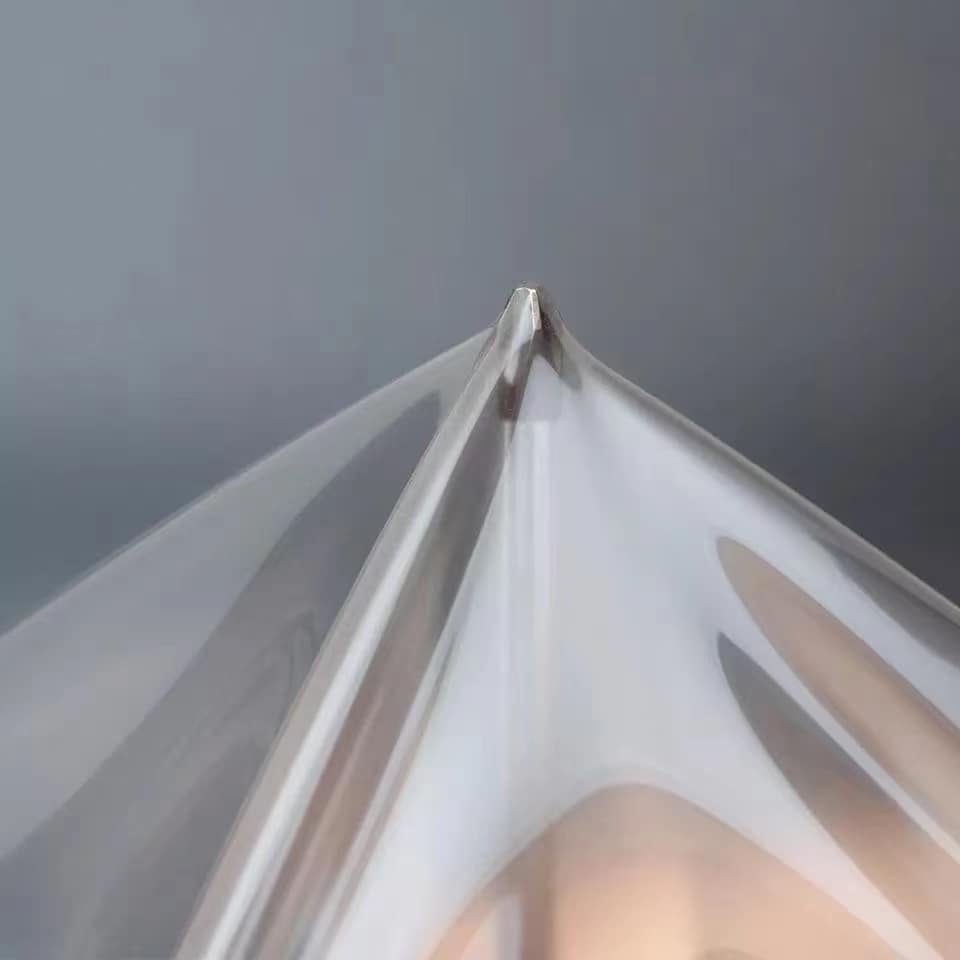
The paint protection film production process begins with careful material selection and advanced chemical formulation. Modern automotive protective coating facilities use thermoplastic polyurethane (TPU) as the base substrate, chosen for its durability, clarity, and self-healing properties. This foundational material is sourced to exacting specifications, ensuring consistency across every batch that enters the ppf manufacturing process.
Raw Material Preparation and Formulation
Polymer Selection and Quality Standards
Every automotive protective coating facility must start with premium-grade TPU resins that meet international standards. The ppf manufacturing process requires polymers with specific molecular weight distributions to achieve the right balance between flexibility and protective strength. Advanced facilities test incoming material batches using spectroscopy and thermal analysis before production begins, ensuring only the highest-quality base materials are used.
Adhesive layer formulation is equally critical in paint protection film production. Engineers blend acrylic or silicone-based adhesives with plasticizers and crosslinking agents to create compounds that bond securely to automotive surfaces without damaging underlying paint. The automotive protective coating facility maintains strict temperature and humidity controls during this mixing phase to prevent component degradation and ensure batch uniformity.
Additive Incorporation and Testing
Specialized additives enhance film performance in ways that define modern ppf manufacturing. UV absorbers protect the film from yellowing and degradation under intense sunlight exposure. Anti-scratch agents and slip modifiers improve the surface texture and resilience. The ppf factory carefully meters each additive using precision pumps and mixers, then conducts rheological testing to verify the formulation meets viscosity and flow requirements for the casting process.
Extrusion and Casting Operations
Layer Coating and Film Formation
The paint protection film production moves into the core manufacturing phase when the prepared resin is fed into extruders that heat and melt the material to precise temperatures. The ppf manufacturing process uses twin-screw or single-screw extruders depending on the desired film thickness and properties. Hot, molten polymer flows through heated dies that shape the material into thin, uniform sheets. Simultaneously, the automotive protective coating facility applies adhesive layers using separate coating heads, creating multi-layer composite films.
Casting onto cooled release liners is a critical step in paint protection film production. The molten film meets a polished metal drum or moving belt that has been cooled to specific temperatures. This rapid cooling crystallizes the polymer structure, giving the film its final physical properties. The ppf factory carefully controls cooling rates because too-rapid chilling can cause stress and brittleness, while too-slow cooling reduces production efficiency.
Thickness Control and Consistency
Automated inline measurement systems continuously monitor film thickness throughout the ppf manufacturing process. Laser sensors or radiation-based thickness gauges provide real-time feedback to adjust extruder screw speed and die gap settings. The automotive protective coating facility maintains thickness tolerances within ±10 micrometers across the entire film roll to ensure consistent protective performance and application quality. Any sections outside specification are automatically diverted for recycling.
Surface Treatment, Curing, and Quality Assurance
Surface Modification and Self-Healing Enhancement
Advanced paint protection film production includes surface treatments that enhance adhesion and protective properties. The ppf manufacturing process often incorporates plasma or corona discharge treatment to improve the film's surface energy, allowing better wetting of adhesive layers and improved bonding to vehicle paint. Some automotive protective coating facilities apply nano-ceramic coatings or self-healing polymer layers that seal minor scratches and maintain optical clarity over extended service periods.
Self-healing chemistry represents a significant innovation in modern paint protection film production. Microcapsules containing healing agents are embedded within the film layers. When scratches or minor damage occurs, these capsules rupture and release their contents, filling surface damage and restoring the protective barrier. The ppf factory carefully controls the size, distribution, and encapsulation chemistry to ensure reliable activation without premature leakage.
Curing Processes and Quality Testing
The automotive protective coating facility uses multi-stage curing to finalize adhesive crosslinking and film stabilization. Some facilities employ UV light curing to rapidly harden light-sensitive adhesives, while others use thermal ovens where coated films pass through heated chambers to achieve full chemical crosslinking. The ppf manufacturing process requires careful time-temperature profiling to prevent thermal degradation while ensuring complete cure.
Comprehensive quality testing concludes paint protection film production. The ppf factory performs peel strength tests to verify adhesive bonding meets specifications. Optical clarity is measured using spectrophotometers to ensure the film remains transparent and matches color-matching requirements. Tensile testing, tear resistance, and chemical resistance evaluations confirm the film performs under demanding automotive conditions. Each production batch includes test specimens that are retained for traceability and documentation purposes.
FAQ
What equipment does a modern ppf factory use for paint protection film production?
Modern ppf manufacturing facilities employ extruders, precision coating systems, cooled casting drums, automated thickness measurement sensors, UV or thermal curing equipment, and comprehensive testing apparatus. The ppf factory integrates these systems with real-time monitoring and computerized process controls to maintain consistent quality across paint protection film production. Automated handling systems reduce manual labor while improving safety and reducing contamination risks.
How long does the automotive protective coating facility take to produce paint protection film?
Paint protection film production typically requires hours to days depending on film thickness, adhesive formulation, and curing requirements. The ppf manufacturing process itself—from extrusion through casting and initial cooling—often takes 30 to 60 minutes for a complete production run. However, full cure development and quality testing may extend the timeline by 24 to 48 hours before the finished film reaches the packaging stage at the ppf factory.
What quality standards govern paint protection film production at a ppf factory?
Paint protection film production must meet international standards including ASTM specifications for adhesive strength, optical clarity, and chemical resistance. The automotive protective coating facility implements ISO 9001 quality management systems and conducts third-party testing and certification. The ppf manufacturing process is subject to automotive industry specifications that ensure the film performs reliably in real-world vehicle protection applications without compromising paint quality or appearance.