
 EN




What Should You Consider Before Installing Window Film?
Before installing window film, define what the glazing needs to do and check whether the existing glass can safely support the selected product. The right decision depends on the building or vehicle, exposure, use, local rules, and the result you expect from window tinting, solar control film, or privacy window film.
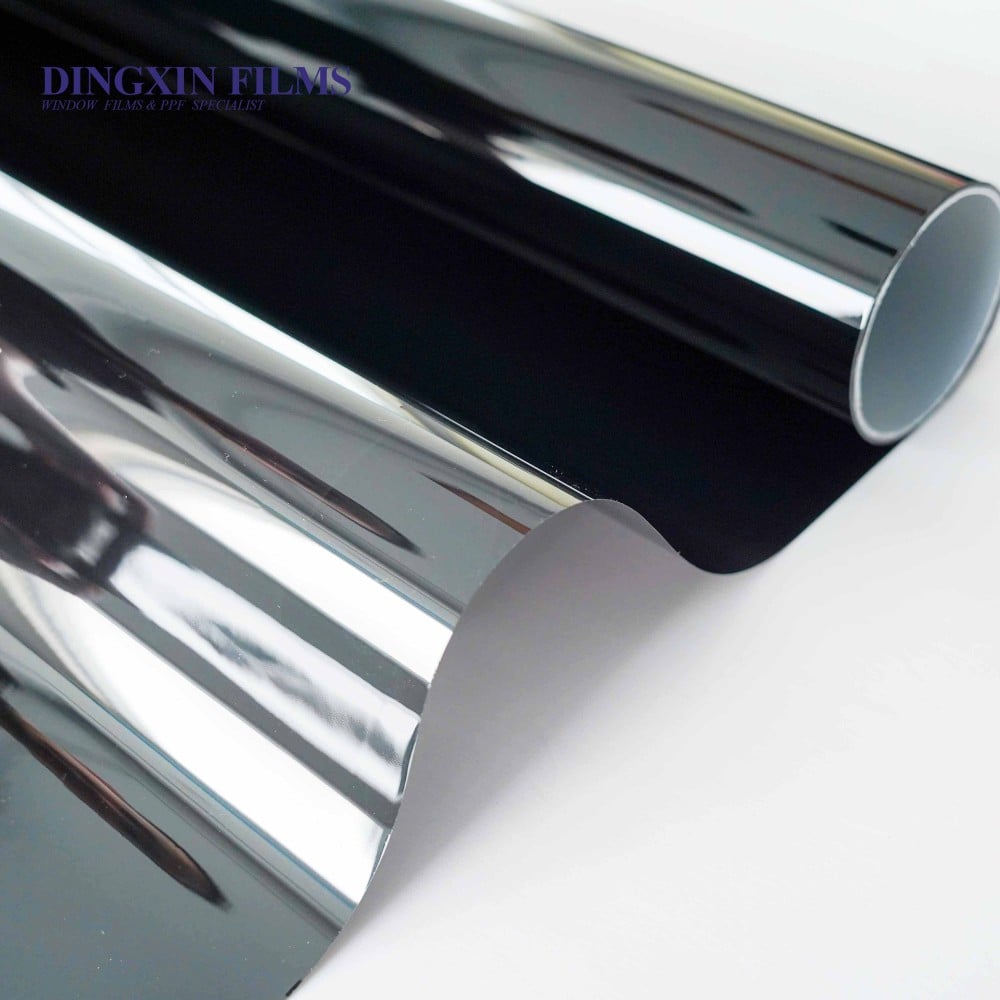
A good installation starts with a site assessment, not simply a shade choice. Consider daylight, visibility, heat, privacy, and glass condition together; window tinting, solar control film, and privacy window film address different priorities and are not interchangeable in every setting. These checks help you compare realistic outcomes before arranging installation.
Assess the Glass and the Site
Identify the glazing before selecting a film
Record whether the glass is single, laminated, tempered, coated, insulated, or part of a vehicle window. Film changes how energy is absorbed or reflected, so compatibility depends on the complete glazing assembly, not just the visible pane. A qualified installer can use glass markings and project details to check whether window tinting is appropriate and whether a particular solar control film creates concerns.
Inspect existing scratches, chips, seal failures, and edge damage before work begins. Window tinting can make defects more noticeable, while installation over compromised glazing may complicate repairs or warranty discussions. For buildings, identify interior and exterior exposures; for vehicles, note defroster lines, sensors, and movable windows. These details help determine if privacy window film is practical without interfering with normal use.
Map exposure, use, and operating conditions
Track which windows receive direct sun, when glare affects work or driving, and whether occupants need an unobstructed view. A south-facing office, a street-level meeting room, and an automobile cabin have different needs. Window tinting should respond to actual exposure patterns, while solar control film may be more relevant where heat and glare are the main concerns. Privacy window film needs assessment at both daytime and nighttime.
Consider nearby buildings, landscaping, lighting, and seasonal changes in the sun angle. A reflective appearance that offers daytime screening may not provide privacy after dark when indoor lights are on. Check samples under the site's real lighting rather than relying only on a small catalog swatch. A second solar control film option or a lighter window tinting shade may preserve the view while meeting the project's practical priorities.
Set Performance Goals and Confirm Compliance
Prioritize the outcome you need
Decide which outcome matters most: reducing glare, limiting solar heat, managing ultraviolet exposure, increasing daytime screening, or changing appearance. Products balance visible light transmission, reflectance, and heat control differently, so ask for specifications relevant to the application. Window tinting describes a broad category, whereas solar control film emphasizes solar performance and privacy window film focuses on screening. Clarify trade-offs before selecting.
Set measurable expectations where possible. For a workplace, identify rooms where glare affects screens; for a vehicle, consider driver visibility and cabin comfort. Request product data and clarify the test conditions behind each figure rather than assuming all products perform alike. Window tinting should not be chosen by darkness alone, and solar control film should be evaluated alongside daylight needs. Privacy window film can reduce views, but may also alter sightlines.
Check laws, warranties, and building requirements
Rules can vary by vehicle window position, visible light transmission, reflectivity, and jurisdiction. Before automotive window tinting, verify current local requirements for front side windows, windshields, and permitted labels. Commercial properties may have lease terms, safety glazing requirements, or facade guidelines. Confirm whether solar control film or privacy window film is allowed before ordering, especially in shared buildings or regulated work environments.
Review the glass, window, and vehicle warranties and ask how film installation affects each one. Keep written product specifications, approvals, and installation records with project documents. In a building, consult the facilities manager or property owner; in a fleet, establish a consistent approval process. This step prevents avoidable rework and clarifies responsibilities if a film, seal, or pane later needs attention.
Plan Installation and Long-Term Use
Prepare the surface and installation conditions
Film adhesion depends on clean glass, careful handling, and suitable installation conditions. Ask how the installer will protect nearby finishes, remove residue, manage dust, and access high or awkward windows. For automotive work, discuss trim, seals, and defroster elements. Window tinting requires precise cutting and placement; solar control film and privacy window film also need edges and coverage matched to the window's shape.
Schedule work when rooms or vehicles can remain undisturbed for the required curing period. The installer should explain expected drying, temporary haze or water marks, and when cleaning can resume. Do not judge the finished surface immediately if the product needs time to cure. Discuss access and downtime in advance, since office operations, vehicle availability, and weather can all affect the installation plan.
Agree on inspection, care, and future changes
Before work starts, confirm the scope, film identification, coverage, edge treatment, warranty terms, and inspection process. Ask how the installation will be checked for visible contamination, lifting, or gaps, and what conditions are considered acceptable during curing. Keep a sample or product record for future repairs. This documentation is useful if window tinting needs replacement or a pane is damaged.
Use cleaning methods approved for the selected product and avoid tools or chemicals that could scratch or weaken its surface. Establish who will handle maintenance in a facility and how staff should report damage. If requirements change, revisit performance rather than adding another layer without checking compatibility. A solar control film may suit heat concerns, while privacy window film may fit changing sightline needs, but the chosen product must work with the existing glass and prior installations.
FAQ
Can window film be installed on any glass?
No. Glass type, coatings, condition, and construction affect compatibility. Have the assembly assessed before proceeding, particularly where insulated or specially treated glazing is involved. The same review applies when comparing window tinting, solar control film, and privacy window film, because a product suited to one pane may not suit another.
Does darker film always provide better solar control?
No. Darkness alone does not establish heat or glare performance. Compare relevant product specifications and visible light transmission, then consider the room or vehicle's actual conditions. Window tinting choices should balance visibility and daylight with the intended benefit; solar control film can be assessed by its documented performance rather than shade alone.
Will privacy film provide privacy at night?
Not necessarily. Many screening effects depend on the difference in brightness between the two sides, so interior lighting can change what people outside can see. Test privacy window film in realistic day and night conditions, and consider blinds or another privacy measure if consistent screening is essential. Also confirm that the treatment preserves required visibility and complies with applicable rules.