difference between ceramic coating and ppf
Understanding the difference between ceramic coating and PPF is essential for vehicle owners seeking optimal paint protection. These two technologies serve distinct purposes in safeguarding your car's exterior finish, yet many people confuse them due to their complementary nature.
Ceramic coating represents a liquid nanotechnology solution that bonds chemically to your vehicle's clear coat, creating a hydrophobic layer. This advanced formula provides exceptional shine, water beading properties, and protection against environmental contaminants. The difference between ceramic coating and PPF lies primarily in their application method and protective scope. Ceramic coating focuses on enhancing gloss and repelling water, while offering moderate scratch resistance.
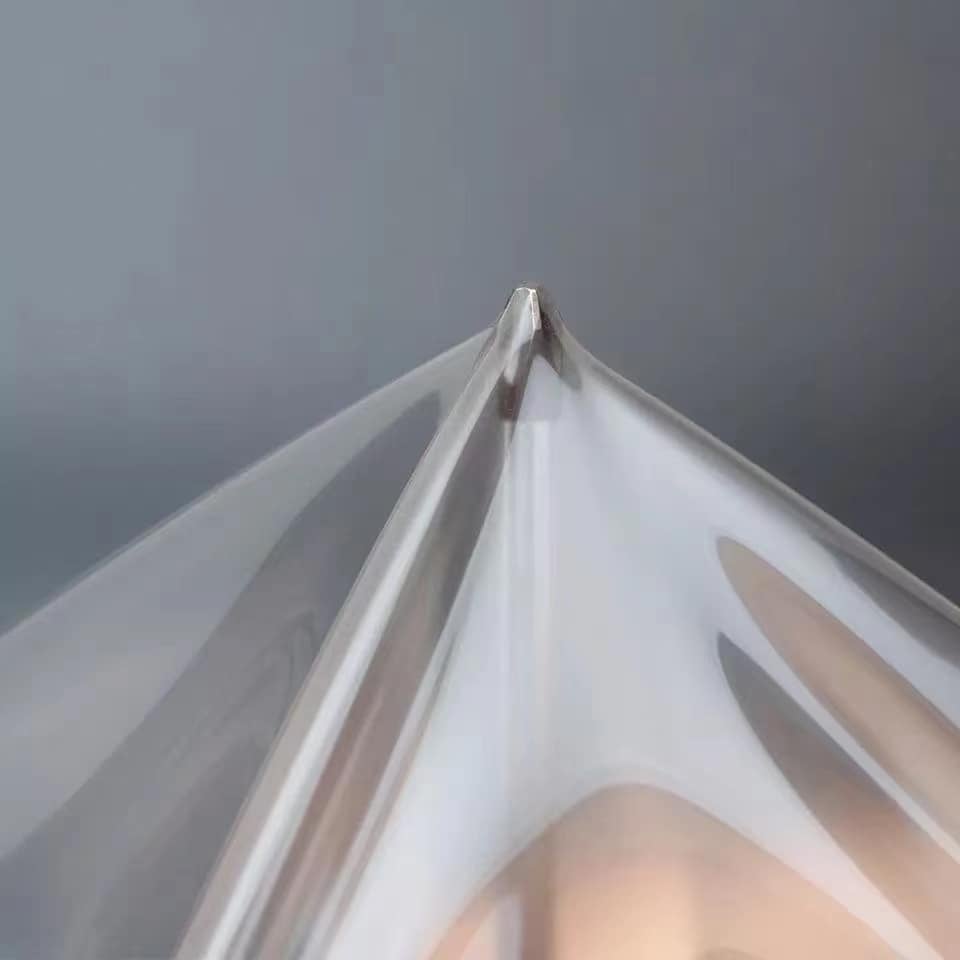
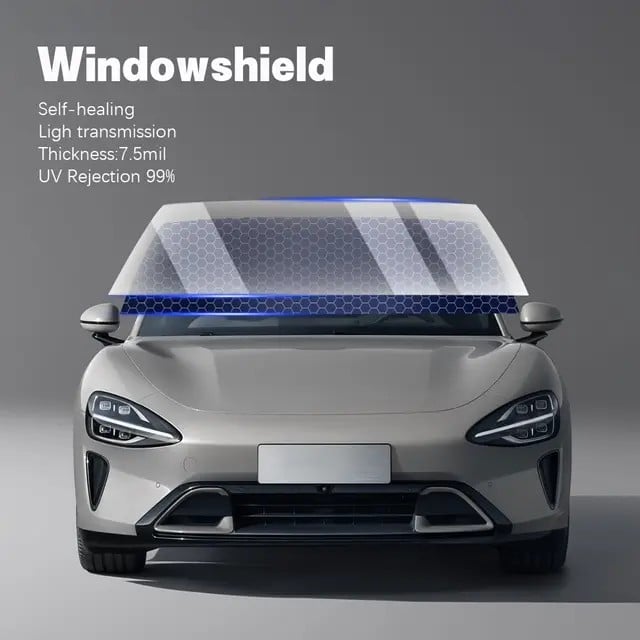
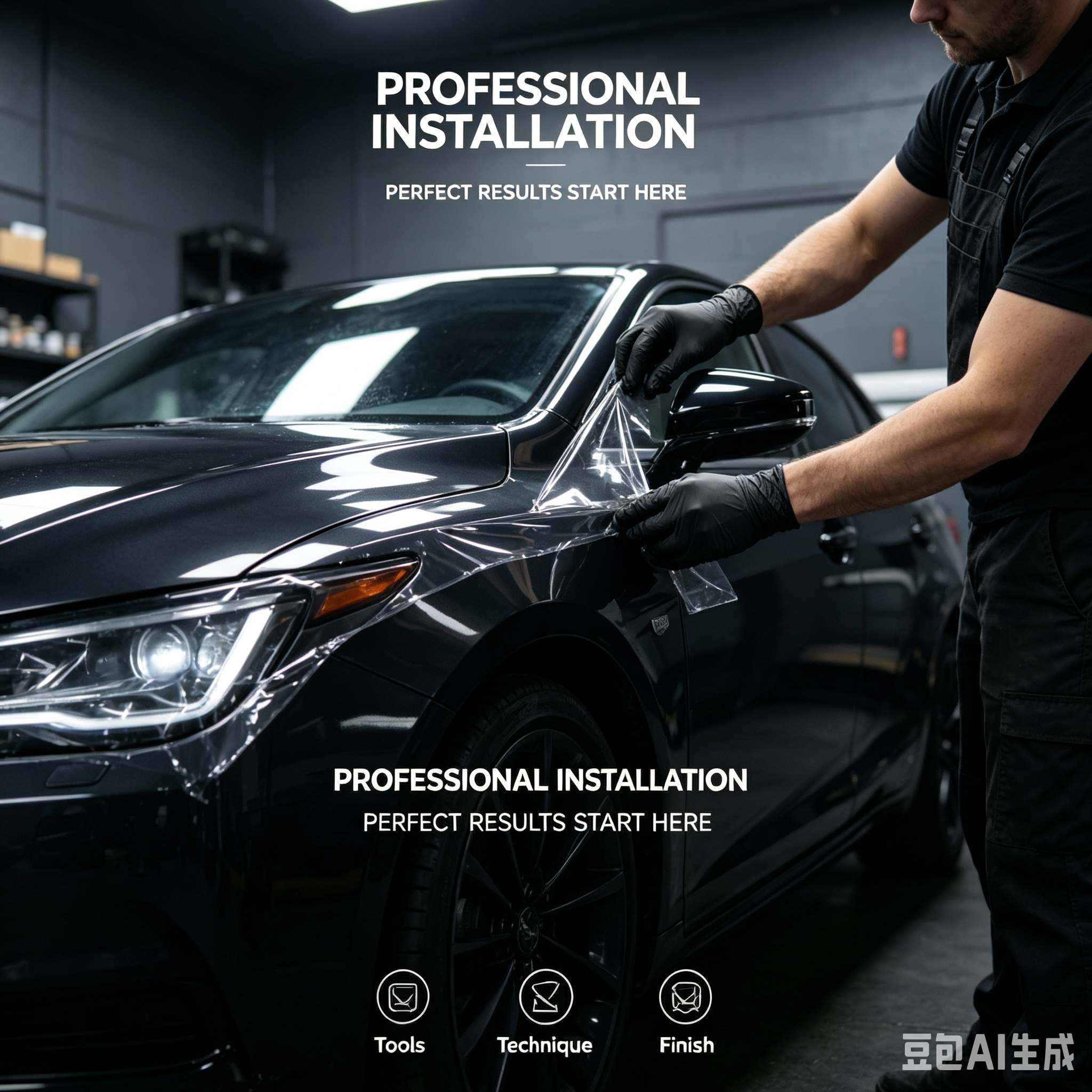
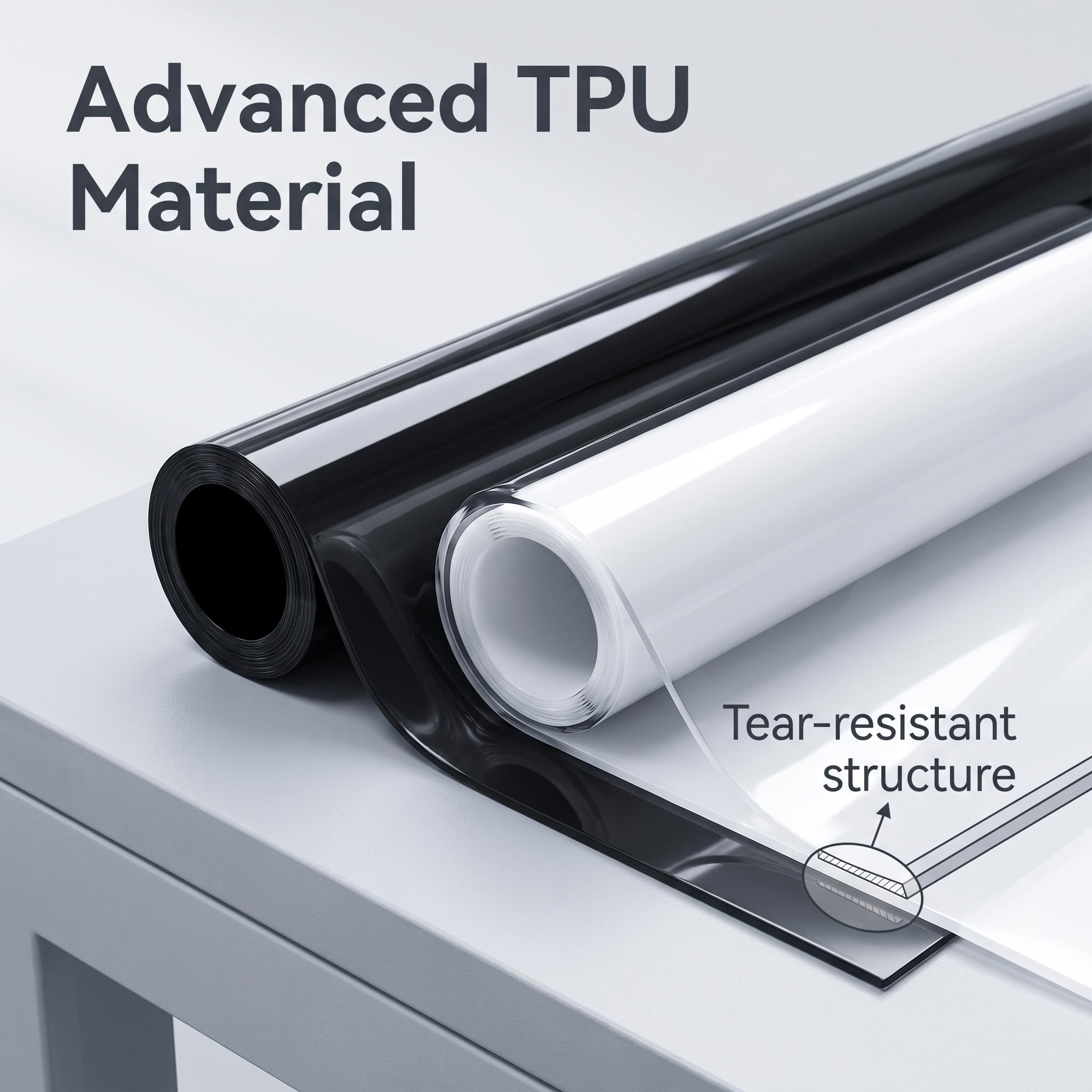
PPF, or paint protection film, is a thermoplastic urethane material applied as a physical barrier over vulnerable areas. The difference between ceramic coating and PPF becomes clearer when examining durability; PPF excels at preventing rock chips, road debris damage, and swirl marks through its self-healing properties. Understanding the difference between ceramic coating and PPF helps you make informed decisions about vehicle protection strategies.
Both solutions offer unique advantages depending on your specific needs. Ceramic coating works best for overall aesthetic enhancement and water resistance, while PPF provides superior impact protection. The difference between ceramic coating and PPF means selecting based on your driving conditions, budget, and protection priorities. Many vehicle enthusiasts combine both technologies, layering ceramic coating over PPF for comprehensive protection and maximum visual appeal.
 ×


 EN