difference between ppf and ceramic coating
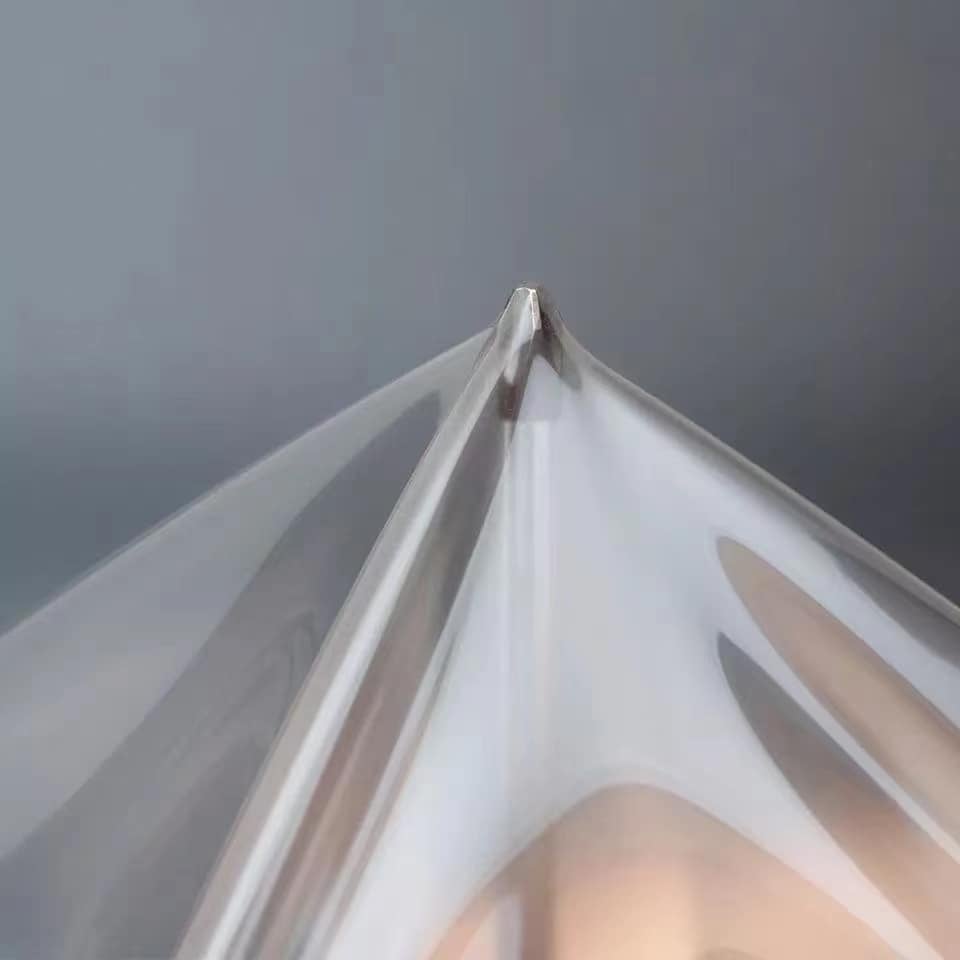
Understanding the difference between PPF and ceramic coating is essential for vehicle owners seeking optimal paint protection. PPF, or Paint Protection Film, is a transparent urethane layer applied directly to your vehicle's exterior surfaces. This physical barrier shields against rock chips, scratches, and environmental contaminants. Ceramic coating, conversely, is a liquid nanotechnology product that chemically bonds to your paint, creating a hydrophobic surface that repels water and contaminants. The difference between PPF and ceramic coating lies in their protective mechanisms and applications. PPF offers superior impact resistance and self-healing properties, making it ideal for high-traffic areas like front bumpers and hood edges. Ceramic coating provides exceptional gloss enhancement, UV protection, and ease of maintenance through its water-beading properties. While PPF is thicker and more durable against physical damage, ceramic coating offers superior aesthetic appeal and chemical resistance. Many vehicle owners choose to combine both products for comprehensive protection. The difference between PPF and ceramic coating means selecting PPF for areas prone to mechanical damage and ceramic coating for overall paint enhancement. Each technology serves distinct purposes in a complete protection strategy, allowing you to customize your vehicle's defense based on specific needs and priorities.
 ×



 EN