ceramic coating vs paint protection film
Understanding ceramic coating vs paint protection film helps vehicle owners make informed decisions about protecting their car's finish. Ceramic coating vs paint protection film represents two distinct approaches to paint protection, each offering unique benefits for different needs.
Ceramic coating applies a liquid nanotechnology layer that chemically bonds to your vehicle's clear coat, creating a permanent protective barrier. This advanced formula provides exceptional hardness and hydrophobic properties, causing water and contaminants to bead and slide off effortlessly. Ceramic coating vs paint protection film differs fundamentally in application method and durability timeline.
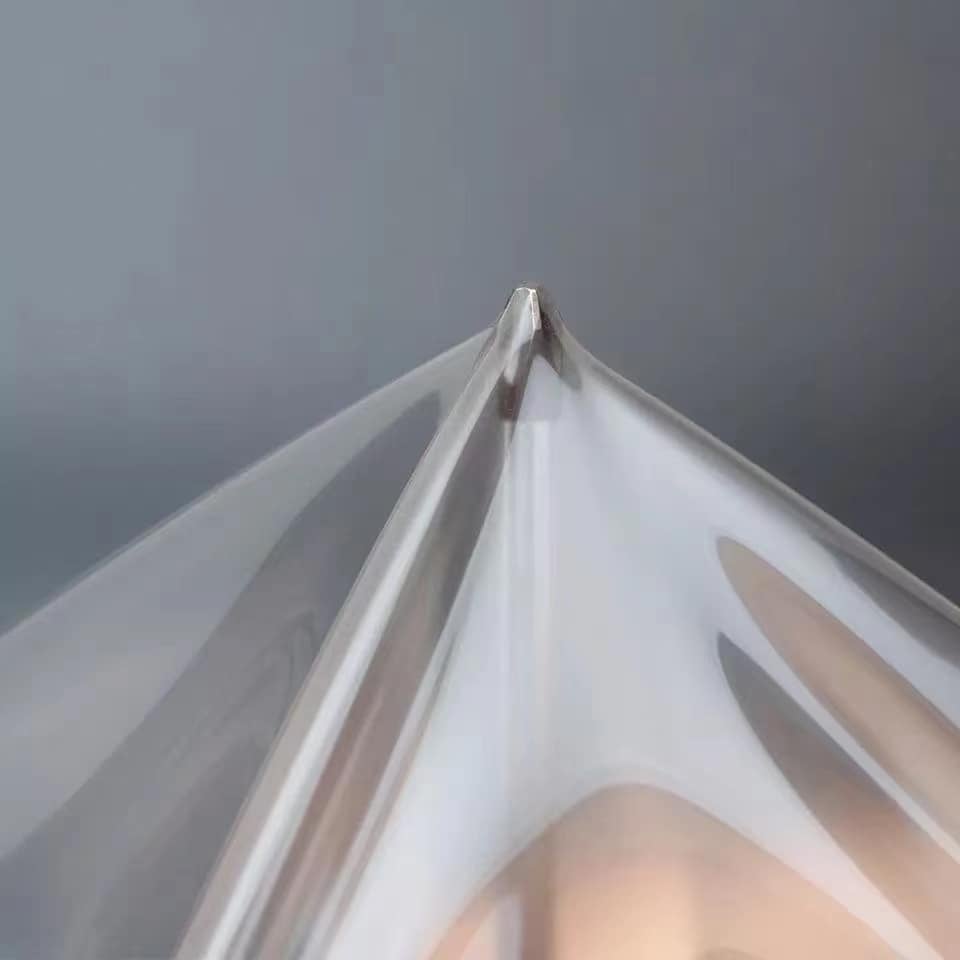
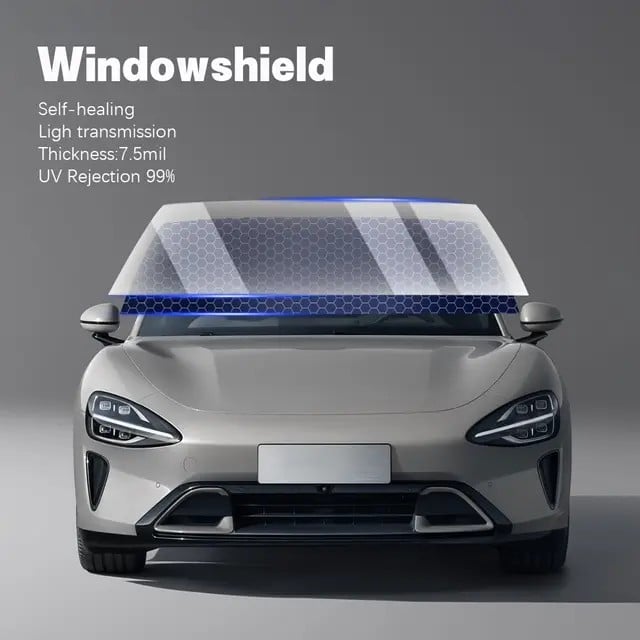
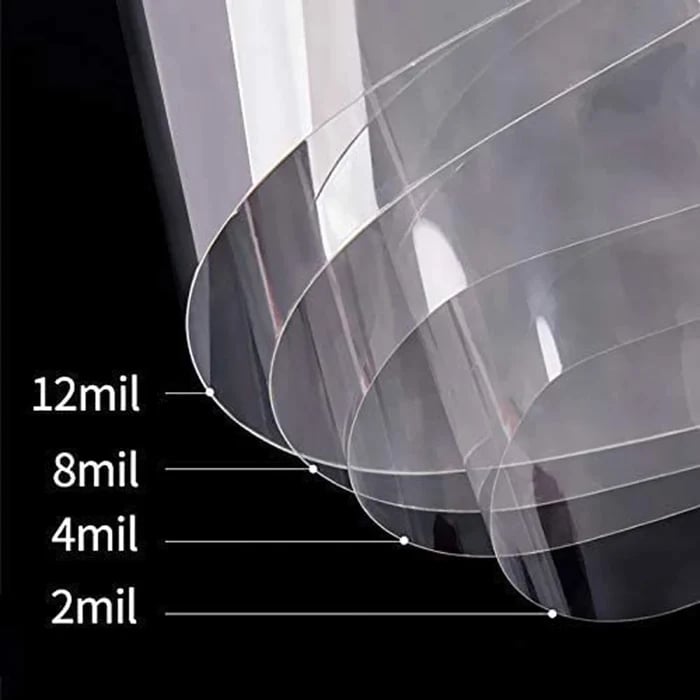
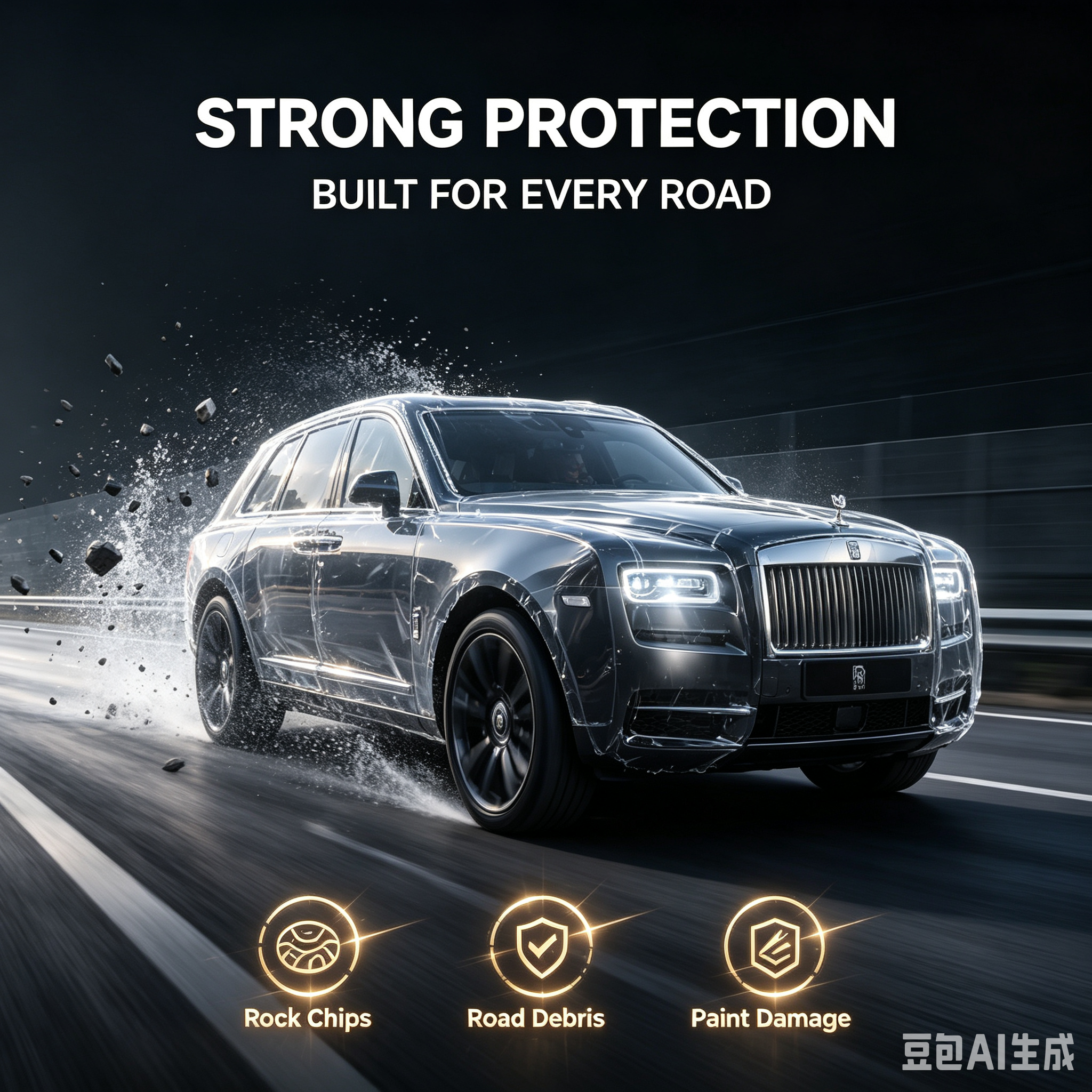
Paint protection film, conversely, is a physical thermoplastic polyurethane layer that shields the paint surface from impacts, scratches, and environmental damage. This self-healing material can recover from minor swirls and marks when heated, maintaining a flawless appearance longer than traditional protection methods.
The technological features distinguish ceramic coating vs paint protection film significantly. Ceramic coatings offer superior UV protection and chemical resistance, maintaining glossy finishes for years. Paint protection film excels at preventing physical damage from road debris, rocks, and abrasive particles.
Applications vary between these protective solutions. Ceramic coating suits daily drivers prioritizing shine and ease of maintenance, while paint protection film benefits high-impact areas like front bumpers, hood edges, and door handles. Many vehicle owners choose ceramic coating vs paint protection film based on their specific driving conditions, aesthetic preferences, and protection priorities. Understanding both options ensures you select the ideal solution for your vehicle's unique needs.
 ×


 EN