ppf coating vs ceramic coating
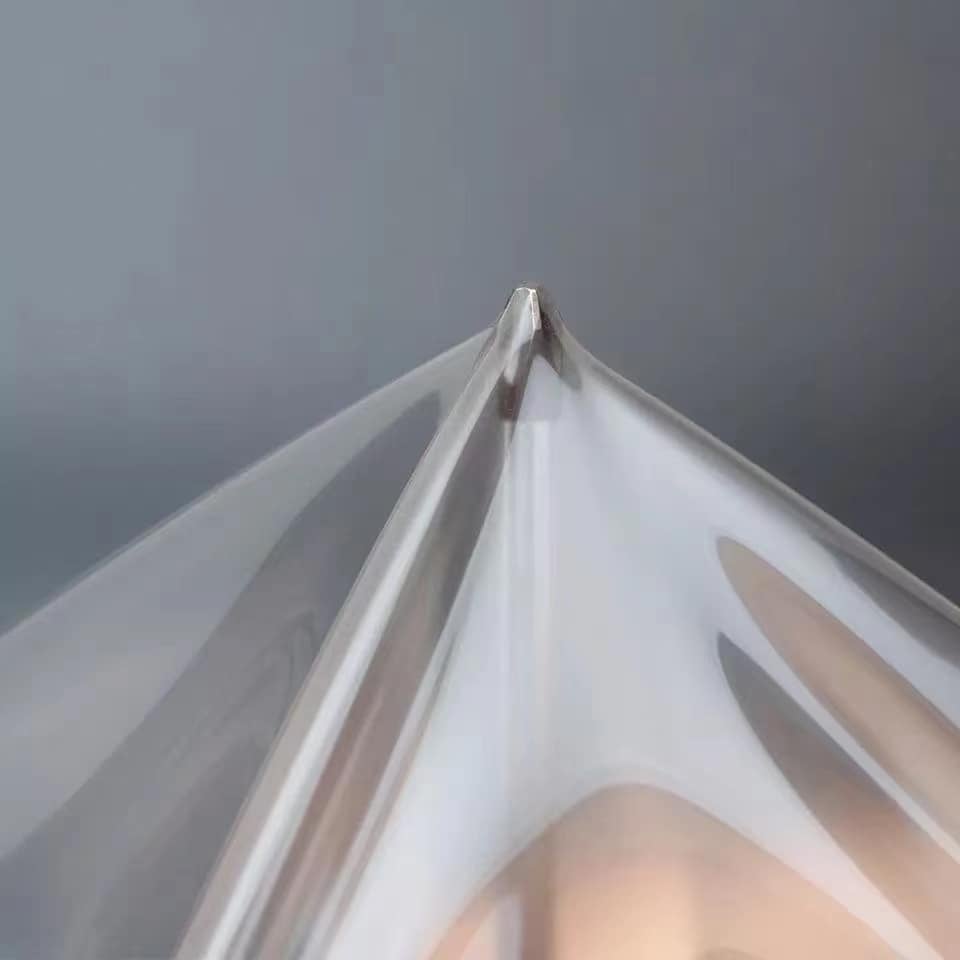
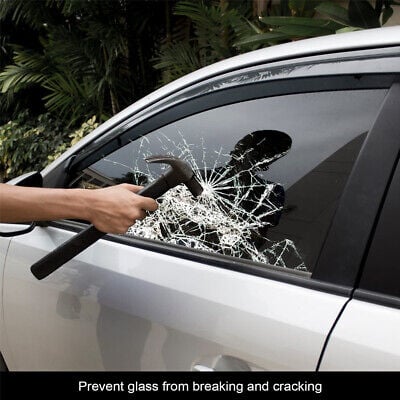
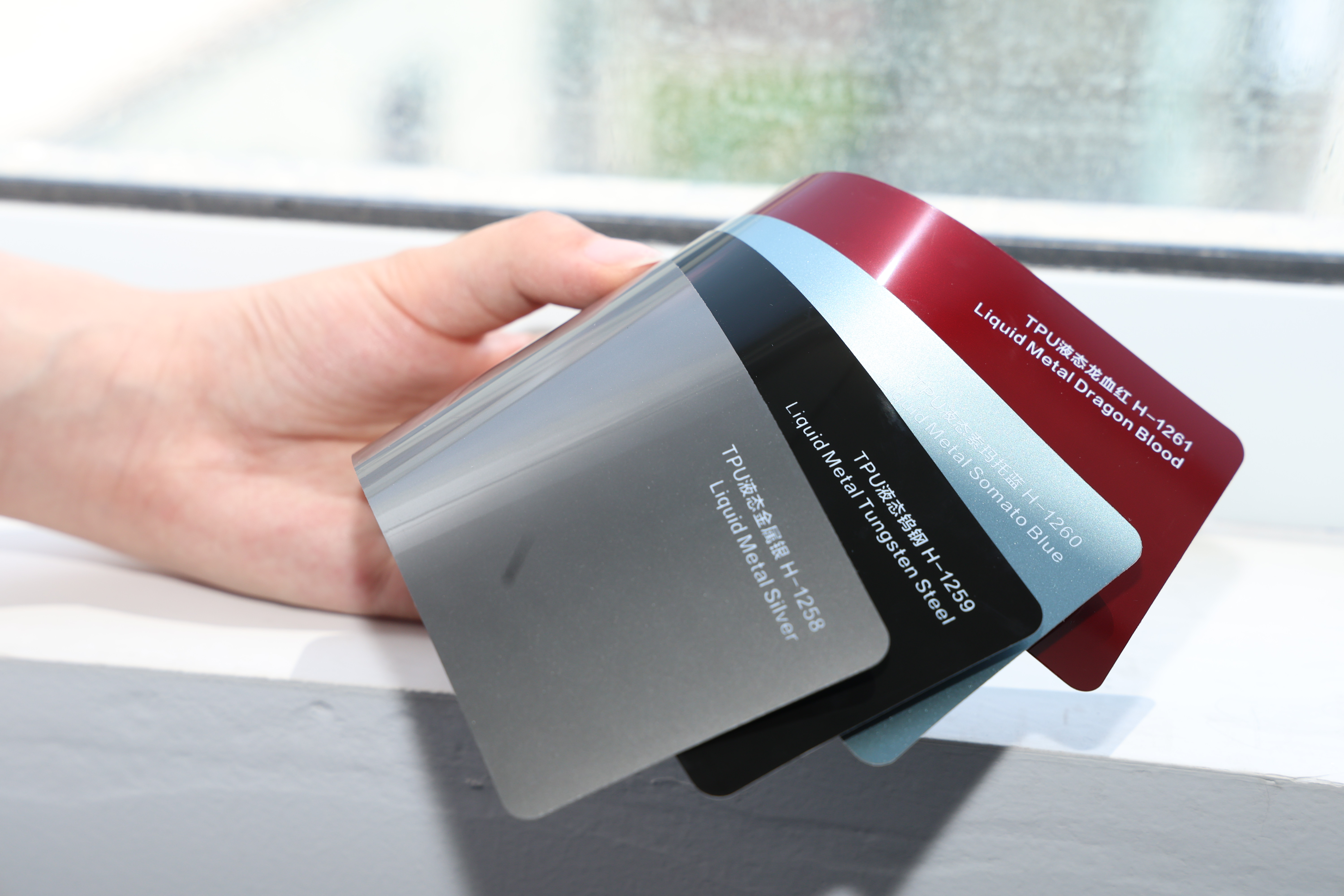
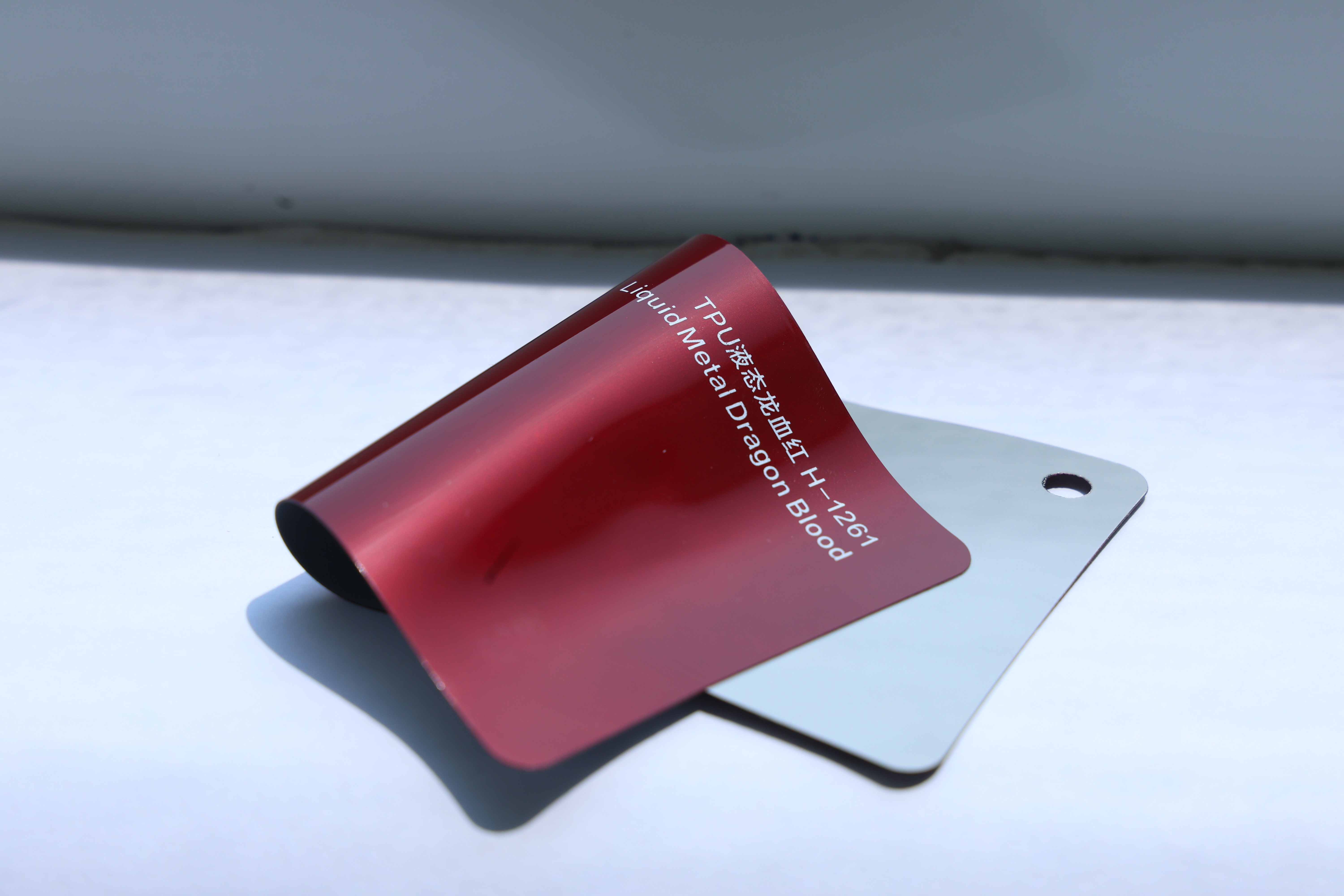
When comparing ppf coating vs ceramic coating, understanding their distinct functions and characteristics is essential for vehicle protection decisions. PPF coating, or paint protection film, is a transparent urethane layer applied directly to your vehicle's painted surfaces. This physical barrier shields against rock chips, scratches, and environmental contaminants. PPF coating vs ceramic coating represents two fundamentally different protection approaches. Ceramic coating, conversely, is a liquid nanotechnology product that creates a hardened glass-like layer on top of your paint.
The technological features of ppf coating vs ceramic coating differ significantly. PPF utilizes self-healing properties that allow minor scratches to disappear when exposed to heat, maintaining pristine appearance. Ceramic coating offers superior hydrophobic properties, causing water and dirt to bead off effortlessly. PPF provides approximately 10 years of protection, while ceramic coating typically lasts 2-5 years depending on maintenance.
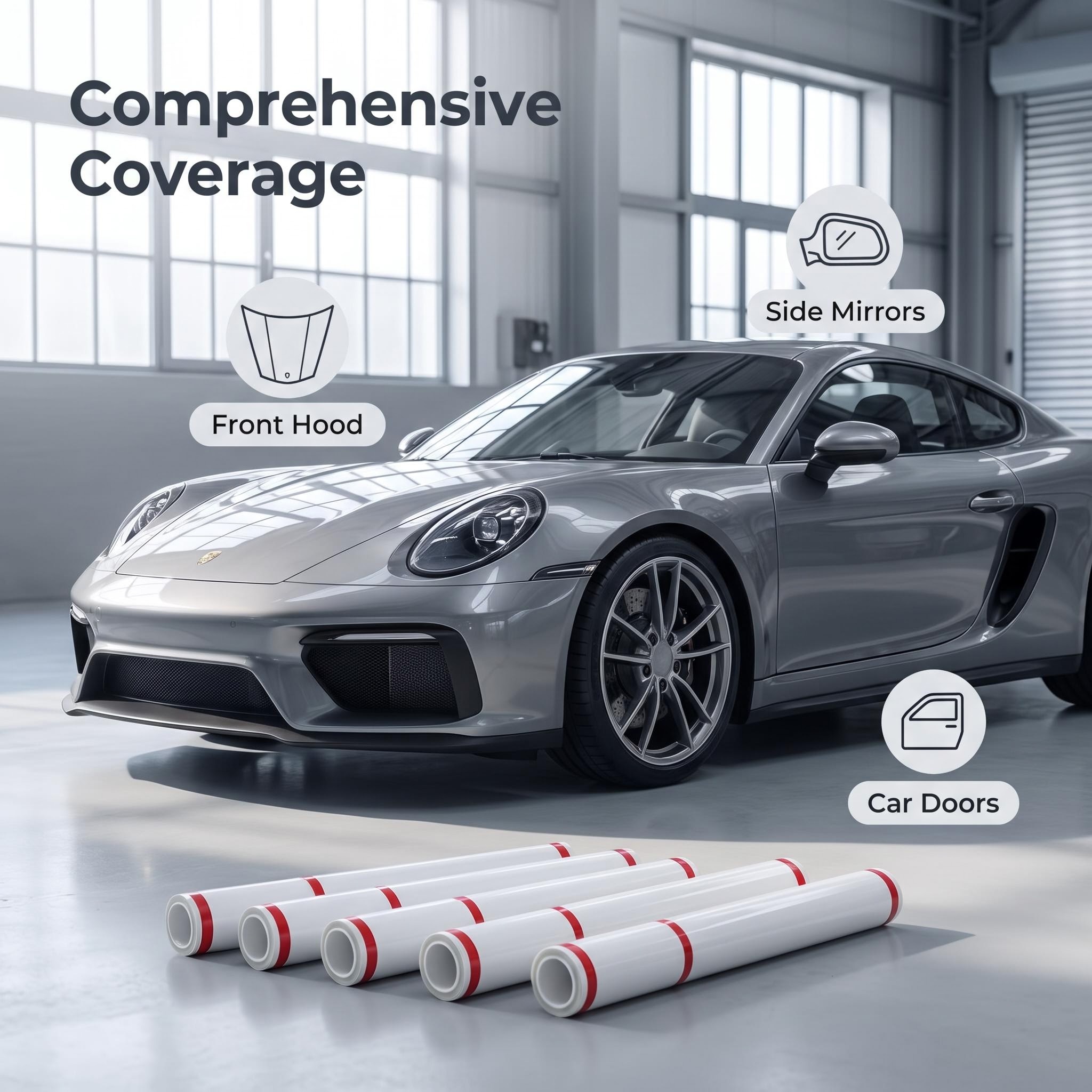
Applications for ppf coating vs ceramic coating vary based on your protection priorities. PPF excels in high-impact zones like front bumpers, hood edges, and door handles where physical damage occurs frequently. Ceramic coating suits entire vehicle surfaces, providing aesthetic enhancement alongside UV protection. Many vehicle owners choose ppf coating vs ceramic coating combinations, using PPF for vulnerable areas and ceramic coating for comprehensive coverage. Both technologies serve modern automotive protection needs, each addressing specific concerns through proven methods. Understanding these distinctions helps you select the optimal protection strategy for your vehicle's long-term condition and value preservation.
 ×

 EN