PPF Car vs Ceramic Coating

Get a Free Quote

Our representative will contact you soon.
Email
Name
Company Name
Message
0/1000

ppf car vs ceramic coating

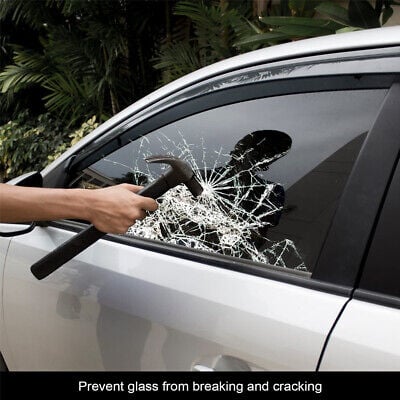
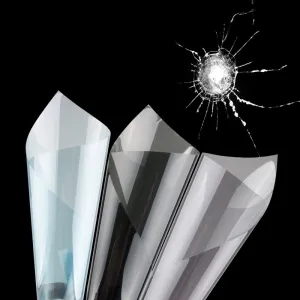
Understanding the difference between PPF car vs ceramic coating is essential for protecting your vehicle's exterior. Paint Protection Film (PPF) is a transparent, self-healing polyurethane layer applied directly to your car's paint surface. It shields against rock chips, scratches, and environmental contaminants while maintaining your vehicle's original appearance. Ceramic coating, conversely, is a liquid nanotechnology formula that bonds chemically with your paint, creating a hydrophobic barrier resistant to UV rays and chemical damage. When comparing PPF car vs ceramic coating, each offers distinct advantages. PPF provides superior physical protection against mechanical damage, making it ideal for high-impact areas like front bumpers and hood edges. The self-healing properties of PPF allow minor scratches to disappear when heated. Ceramic coating excels at repelling water, dirt, and contaminants while enhancing your car's glossy finish. It offers better UV protection and requires less maintenance than traditional waxing. The technological features of PPF car vs ceramic coating differ significantly. Modern PPF utilizes advanced elastomeric polymers that stretch without tearing, while ceramic coatings employ silicon dioxide compounds that create an ultra-hard protective layer. Both technologies are non-toxic and environmentally friendly. PPF typically lasts five to ten years, while ceramic coating maintains effectiveness for three to five years before requiring reapplication. Applications vary based on your needs. PPF works best for vehicles frequently exposed to gravel roads or harsh weather. Ceramic coating suits daily drivers seeking enhanced shine and water resistance. Many car owners choose both products together for maximum protection, combining PPF car vs ceramic coating benefits for comprehensive coverage.

New Product Recommendations

Choosing between PPF car vs ceramic coating depends on understanding their practical benefits. Paint Protection Film offers exceptional physical defense against road debris, preventing permanent paint damage that ceramic coating cannot withstand. Owners appreciate PPF's self-healing capability, which automatically removes minor swirls and scratches when exposed to heat. This feature makes PPF ideal for protecting high-wear areas susceptible to everyday damage. Ceramic coating provides superior cosmetic enhancement and easier maintenance compared to PPF. The hydrophobic properties mean water beads and rolls off your vehicle, reducing washing frequency and effort. Dirt and contaminants cannot bond to the ceramic layer, keeping your car cleaner longer. This coating delivers an unmatched glossy, wet appearance that enhances your vehicle's visual appeal significantly. When evaluating PPF car vs ceramic coating for operational benefits, PPF excels at guarding against mechanical threats like stone chips and scratches from car washes. It's particularly valuable for vehicles with light-colored paint prone to visible damage. Ceramic coating outperforms in chemical resistance, protecting against bird droppings, tree sap, and road salt that compromise paint integrity. Application suitability matters when deciding which protection suits your needs. PPF car vs ceramic coating selection depends on your driving environment and priorities. Frequent highway drivers benefit from PPF's impact protection. Urban commuters prefer ceramic coating's low-maintenance properties and aesthetic enhancement. Many professionals recommend applying both technologies strategically—PPF on vulnerable areas and ceramic coating on remaining surfaces—maximizing overall vehicle protection and appearance simultaneously.

Latest News

Mastpro U.S. Trademark Registration & Global Expansion Announcement

25

Jun

Mastpro U.S. Trademark Registration & Global Expansion Announcement

View More
How Are Paint Protection Films Made in Modern Facilities?

17

Sep

How Are Paint Protection Films Made in Modern Facilities?

Curious how PPF is made? Discover the advanced TPU extrusion, adhesive coating, self-healing tech & QC in modern PPF factories. Learn the full process now.
View More
What Are the Key Benefits of Color PPF Installation?

17

Sep

What Are the Key Benefits of Color PPF Installation?

Discover how color paint protection film boosts aesthetics, delivers 7–10 year durability, and preserves resale value—without permanent paint damage. Learn why businesses & owners choose it.
View More
What is Color PPF and How Does It Protect Your Vehicle?

17

Sep

What is Color PPF and How Does It Protect Your Vehicle?

View More

Get a Free Quote

Our representative will contact you soon.
Email
Name
Company Name
Message
0/1000

ppf car vs ceramic coating

Superior Physical Damage Protection with PPF

Superior Physical Damage Protection with PPF

Paint Protection Film stands out when comparing PPF car vs ceramic coating for safeguarding against mechanical damage. PPF's thick, durable polyurethane composition absorbs impact energy from road hazards, preventing rock chips, gravel damage, and collision marks from reaching your paint underneath. Unlike ceramic coating, which sits atop your paint as a thin layer, PPF acts as a sacrificial barrier absorbing the actual damage. The self-healing technology integrated into premium PPF car vs ceramic coating solutions allows minor scratches and swirls to disappear within hours or days. Heat from sunlight triggers the material's elastomeric properties, causing damaged areas to reform seamlessly. This capability means your vehicle maintains a flawless appearance despite daily driving challenges. PPF typically covers high-risk zones including front bumpers, hood edges, door handles, and mirror backs where damage occurs most frequently. For owners prioritizing durable protection over aesthetics, PPF car vs ceramic coating comparison clearly favors PPF's superior damage resistance.
Enhanced Aesthetics and Water Repellency from Ceramic Coating

Enhanced Aesthetics and Water Repellency from Ceramic Coating

Ceramic coating transforms your vehicle's appearance in ways PPF car vs ceramic coating comparisons highlight distinctly. The nanotechnology formula creates an incredibly glossy, mirror-like finish that intensifies your paint's color depth and clarity. This enhancement lasts throughout the coating's lifespan, delivering consistently showroom-quality appearance without additional polishing or buffing. The hydrophobic properties of ceramic coating outperform traditional waxing and PPF car vs ceramic coating alternatives for water management. Water beads into perfectly formed droplets that roll away effortlessly, carrying dirt and contaminants with them. This hydrophobic action reduces water spotting and mineral deposit accumulation that typically plague untreated vehicles. Ceramic coating also provides exceptional UV protection, preventing oxidation and paint fading from prolonged sun exposure. Regular washing becomes simpler and less frequent since contaminants cannot bond to the slick surface. For owners seeking dramatic cosmetic improvement and reduced maintenance requirements, ceramic coating delivers superior results.
Comprehensive Protection Through Combined PPF Car vs Ceramic Coating Strategy

Comprehensive Protection Through Combined PPF Car vs Ceramic Coating Strategy

The optimal approach when weighing PPF car vs ceramic coating involves strategic application of both technologies. Professional installers recommend applying PPF to vulnerable areas—front bumper, hood, fenders, and door edges—where mechanical damage occurs most frequently. This dual-layer protection strategy maximizes your vehicle's defense against diverse threats. Simultaneously, applying ceramic coating over PPF car vs ceramic coating-treated surfaces and remaining paint areas provides complete aesthetic enhancement and chemical protection. This combined approach leverages each technology's strengths while compensating for limitations. PPF car vs ceramic coating integration ensures mechanical impacts are absorbed and repelled while the ceramic layer provides hydrophobic properties, UV protection, and stunning visual appearance. The synergistic relationship between these products creates a comprehensive protective system superior to either technology alone. Your vehicle benefits from PPF's damage resistance on high-impact zones and ceramic coating's maintenance benefits and aesthetic enhancement across all surfaces. This comprehensive strategy represents the gold standard in professional vehicle protection.

Get a Free Quote

Our representative will contact you soon.
Email
Name
Company Name
Message
0/1000